
Peter Tchaikovsky "The Sleeping Beauty" (ballet in two acts)
Ticket resale service. Prices may be higher or lower than face value.
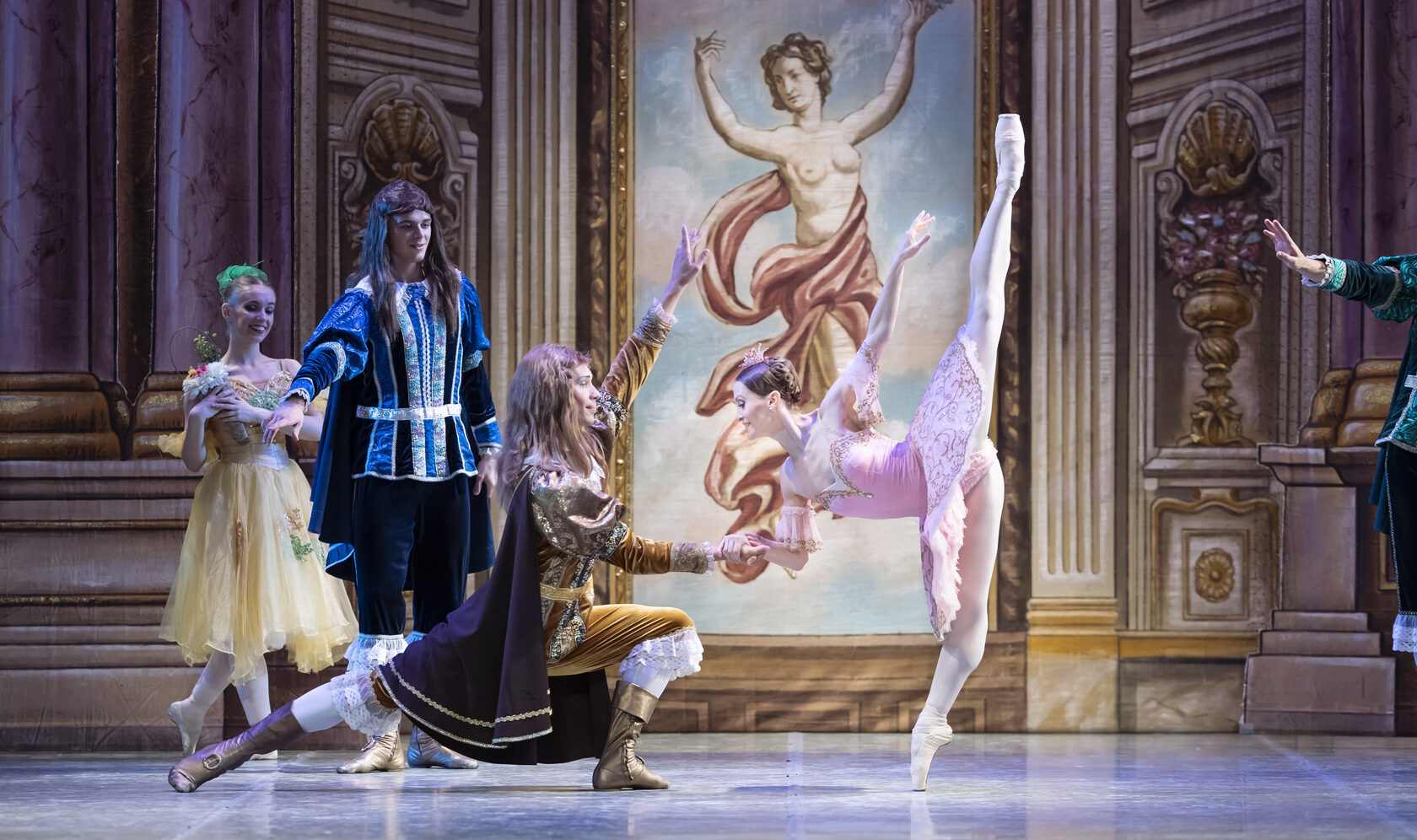
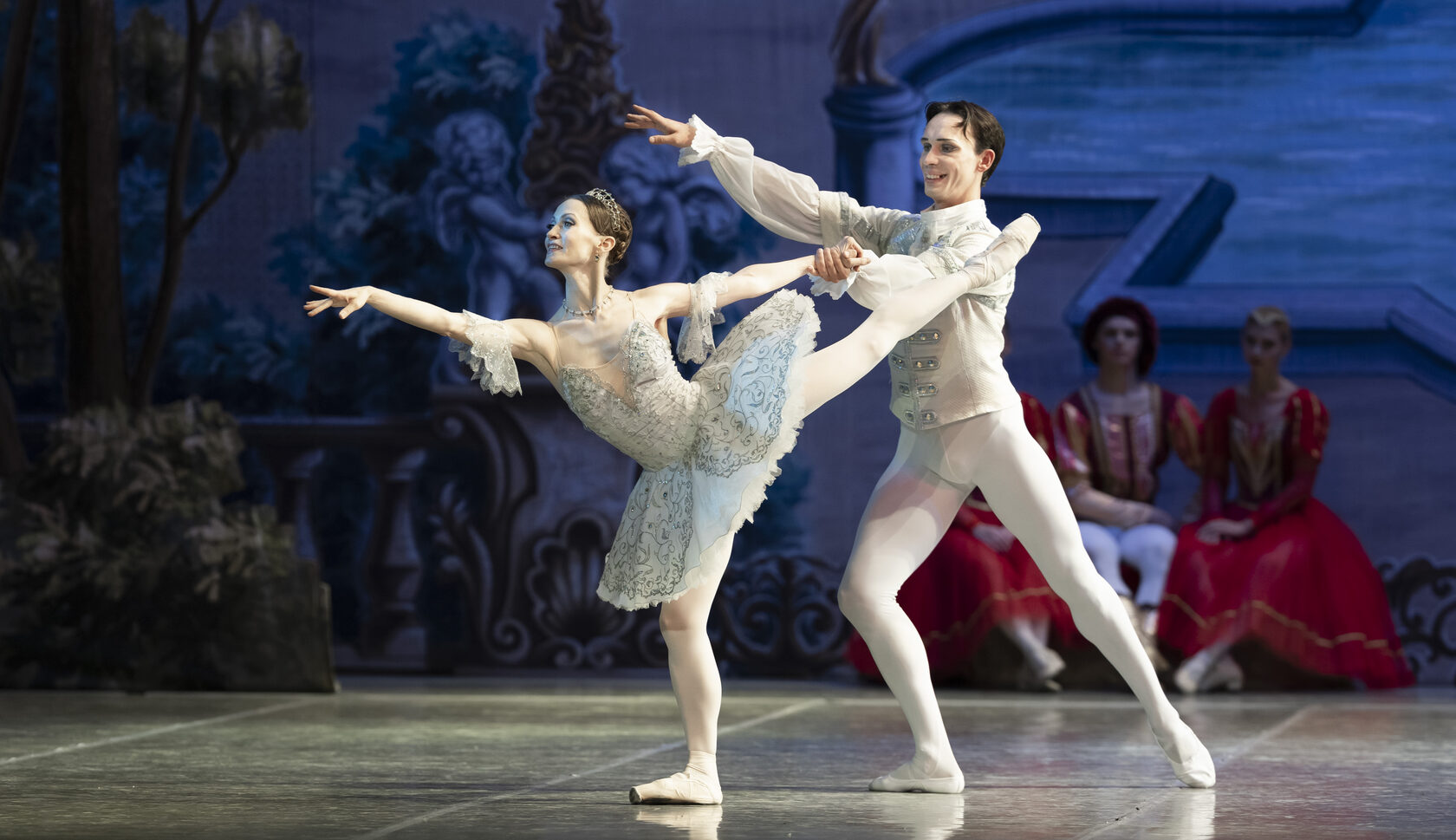
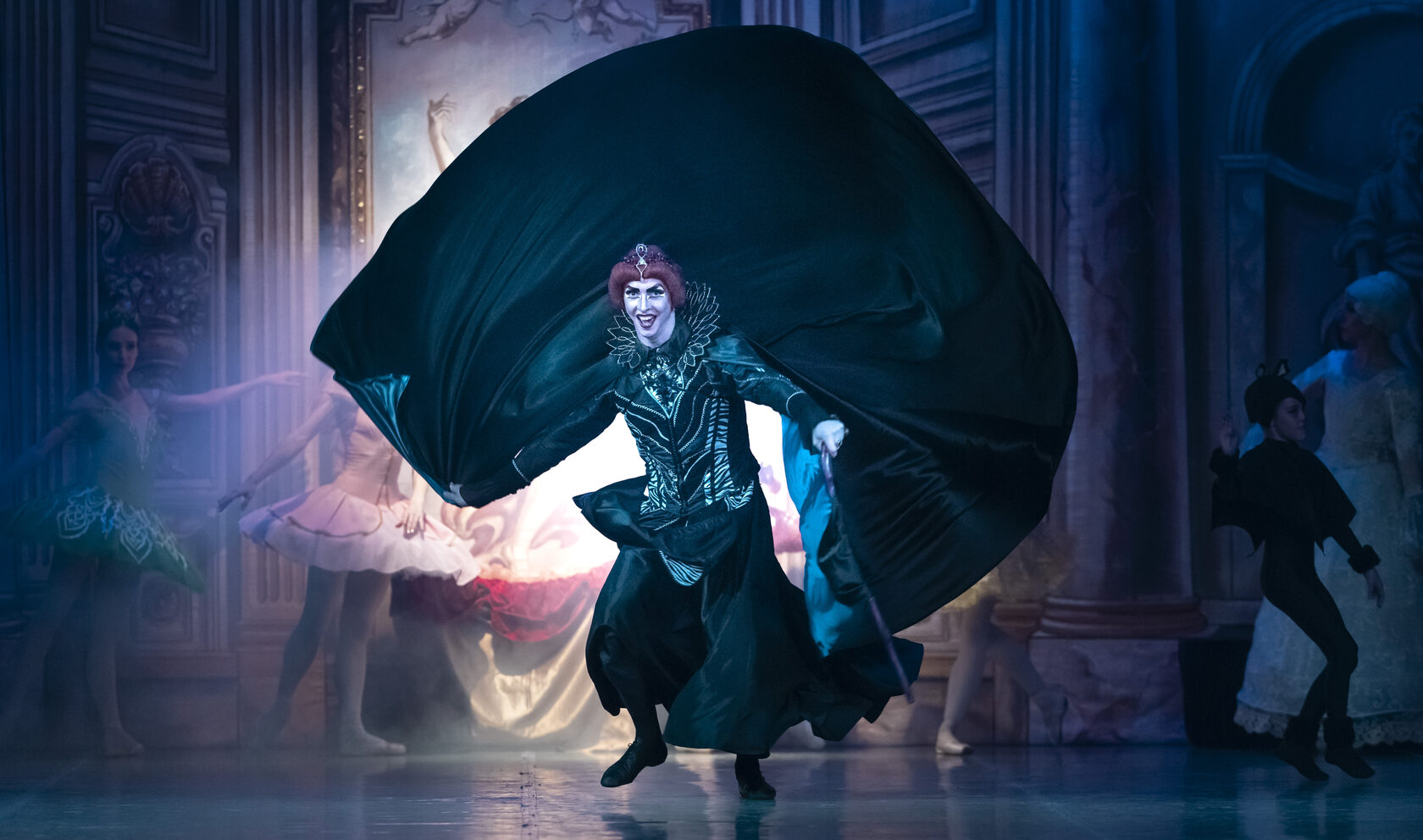
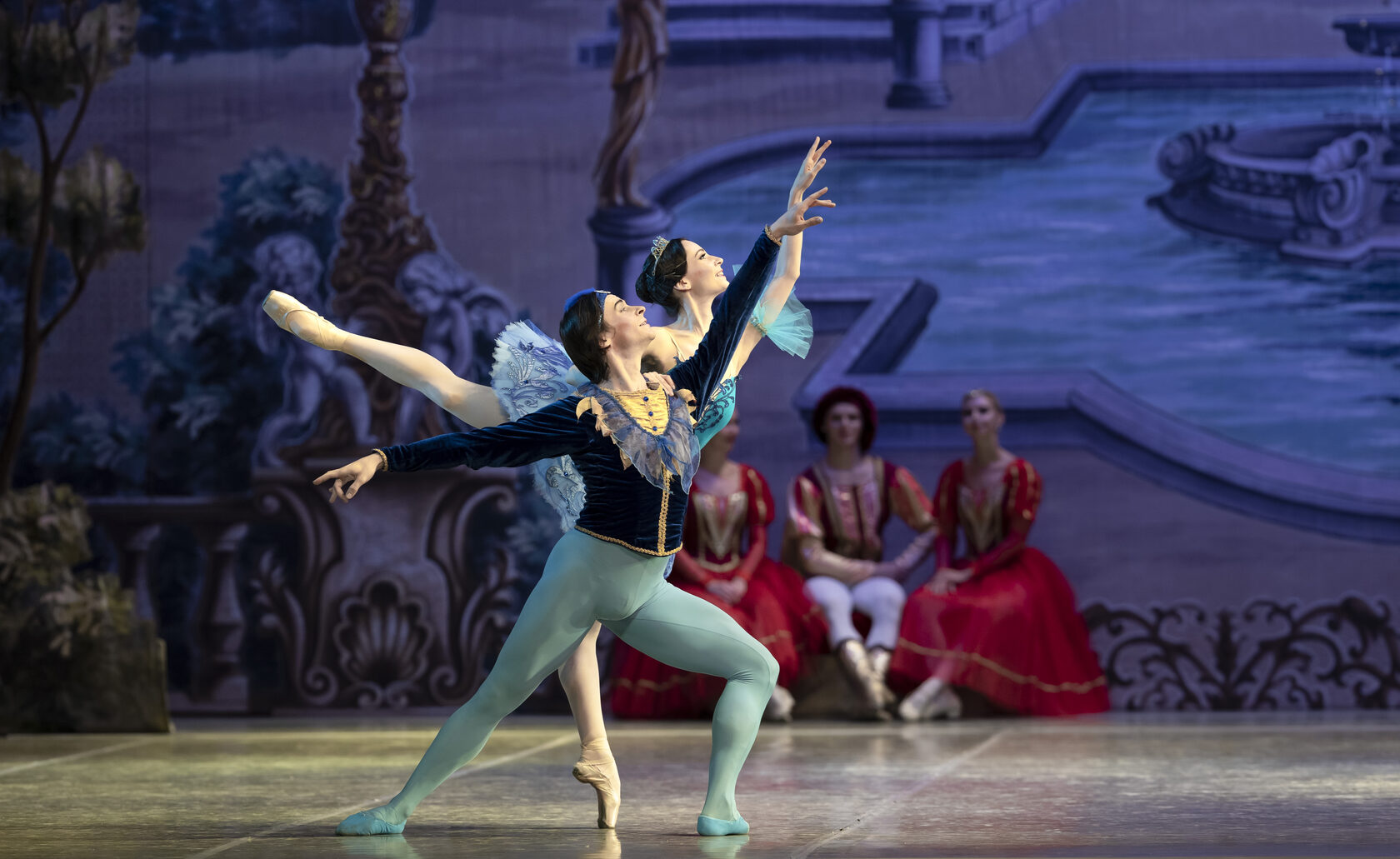
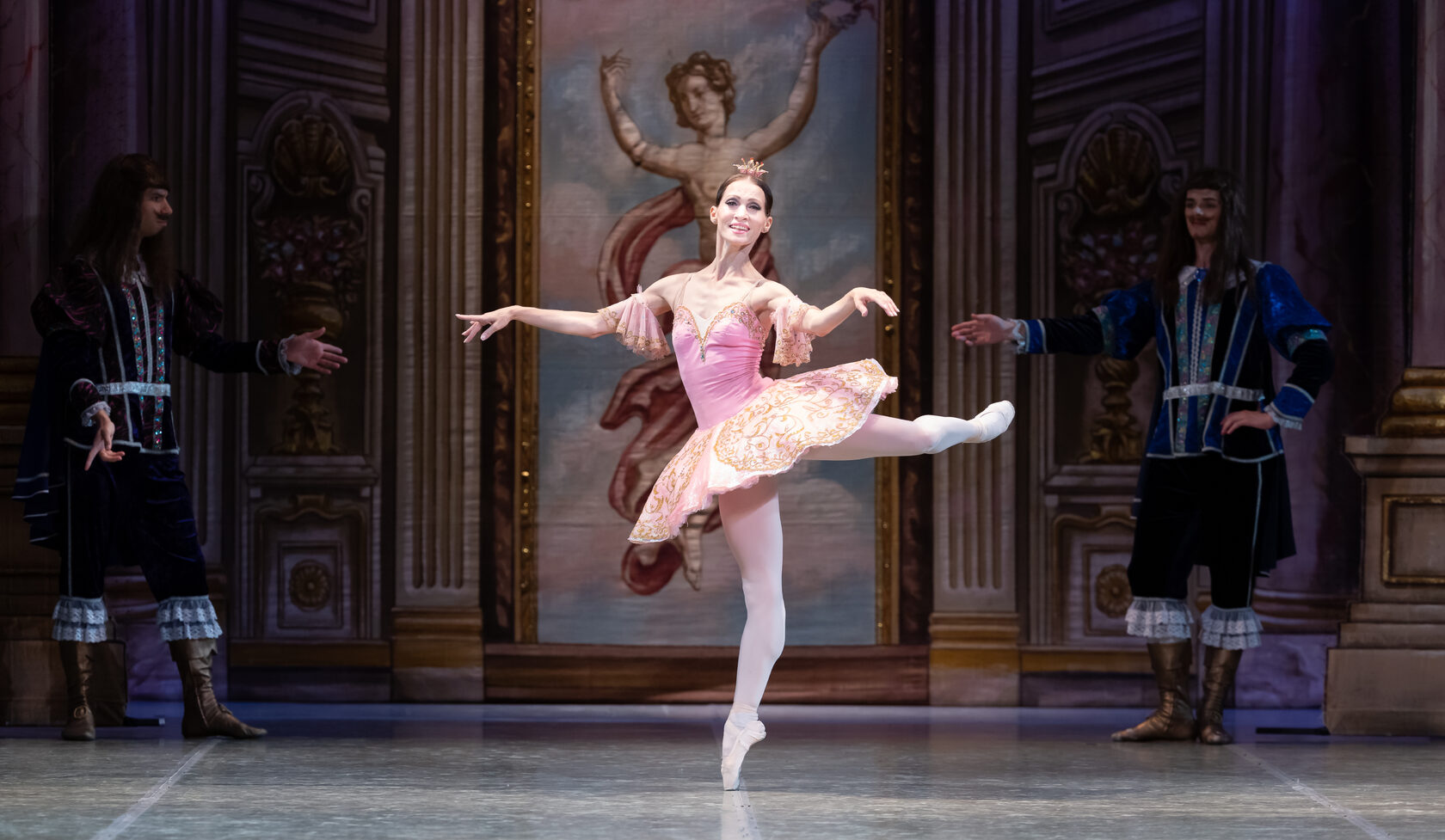
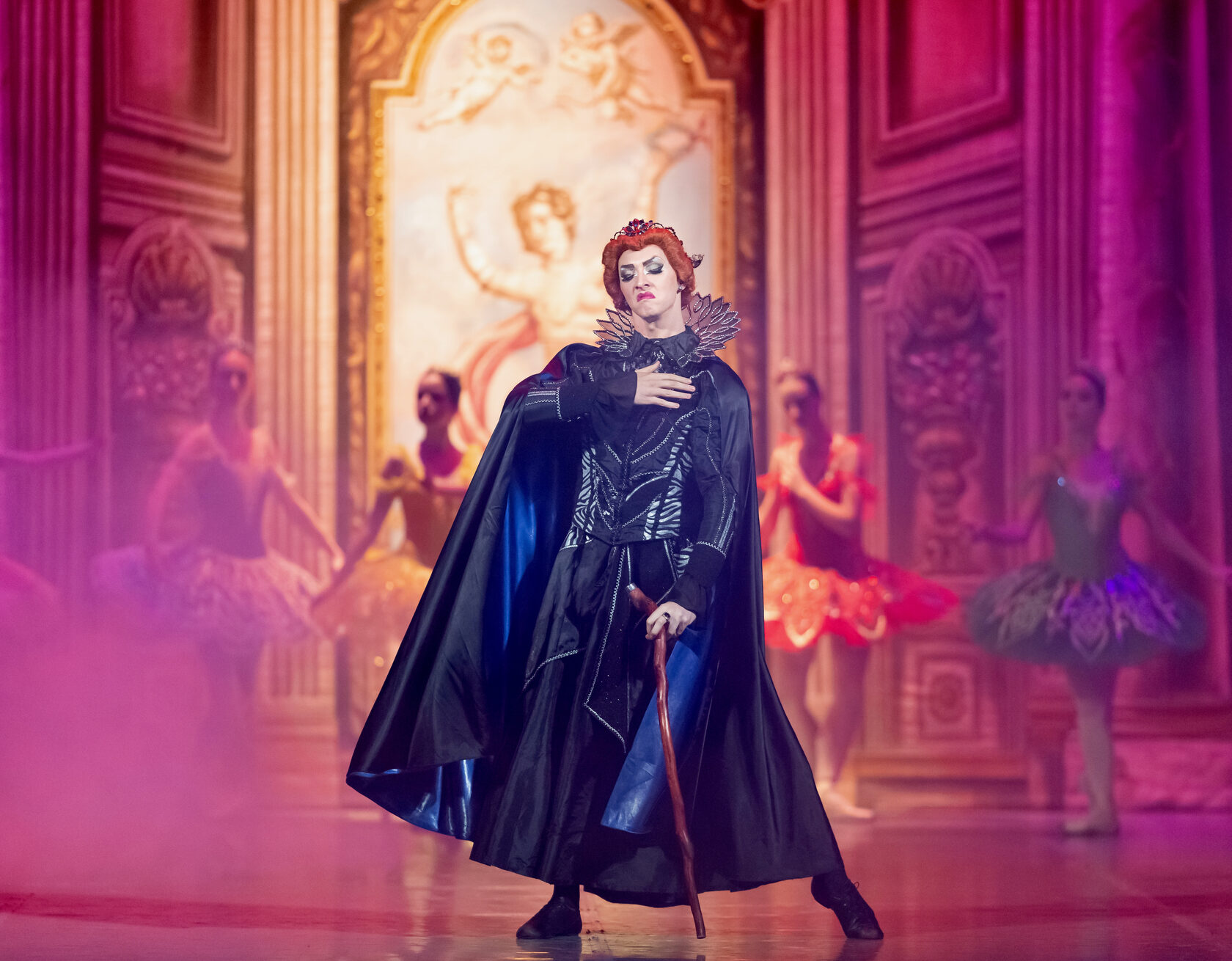
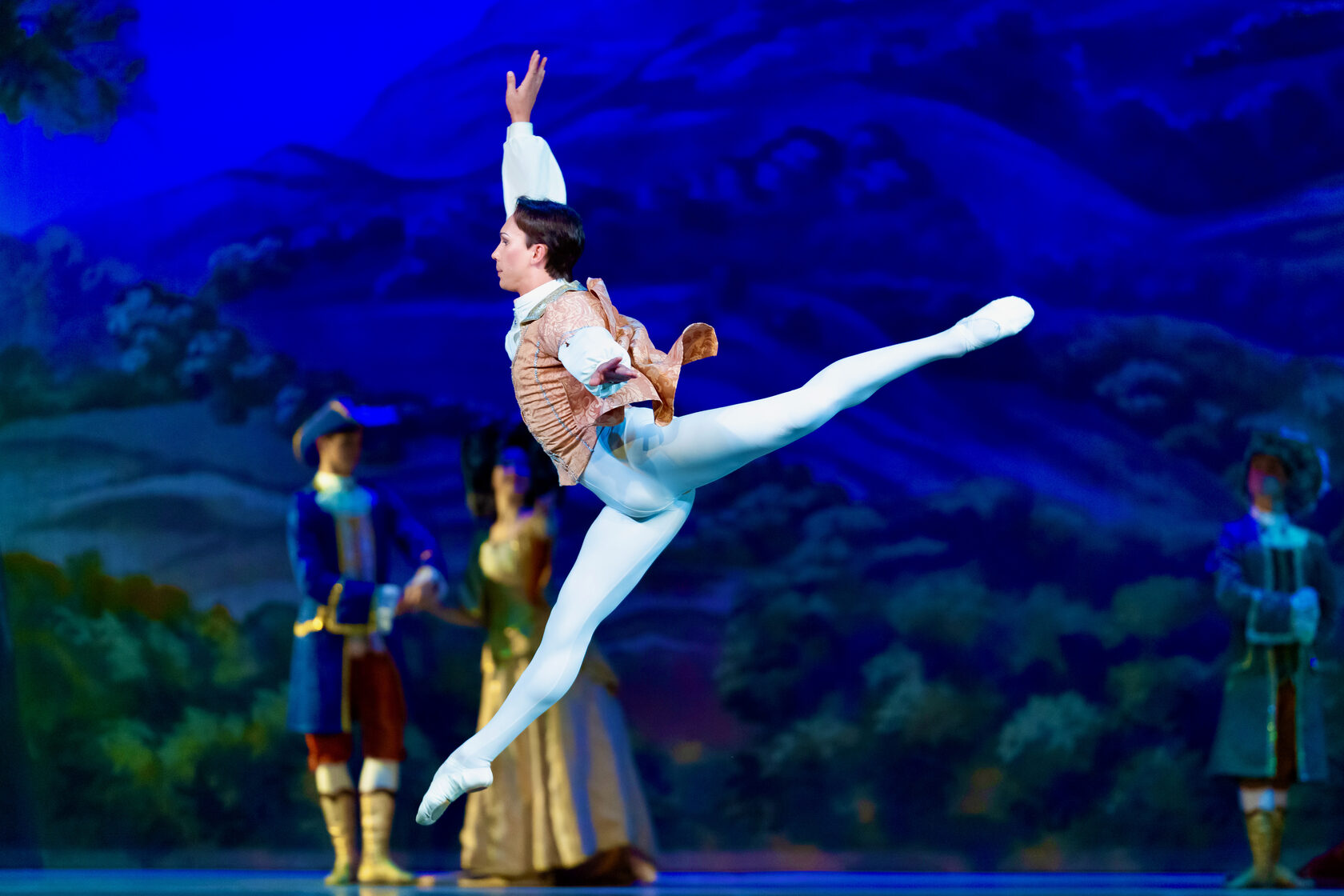
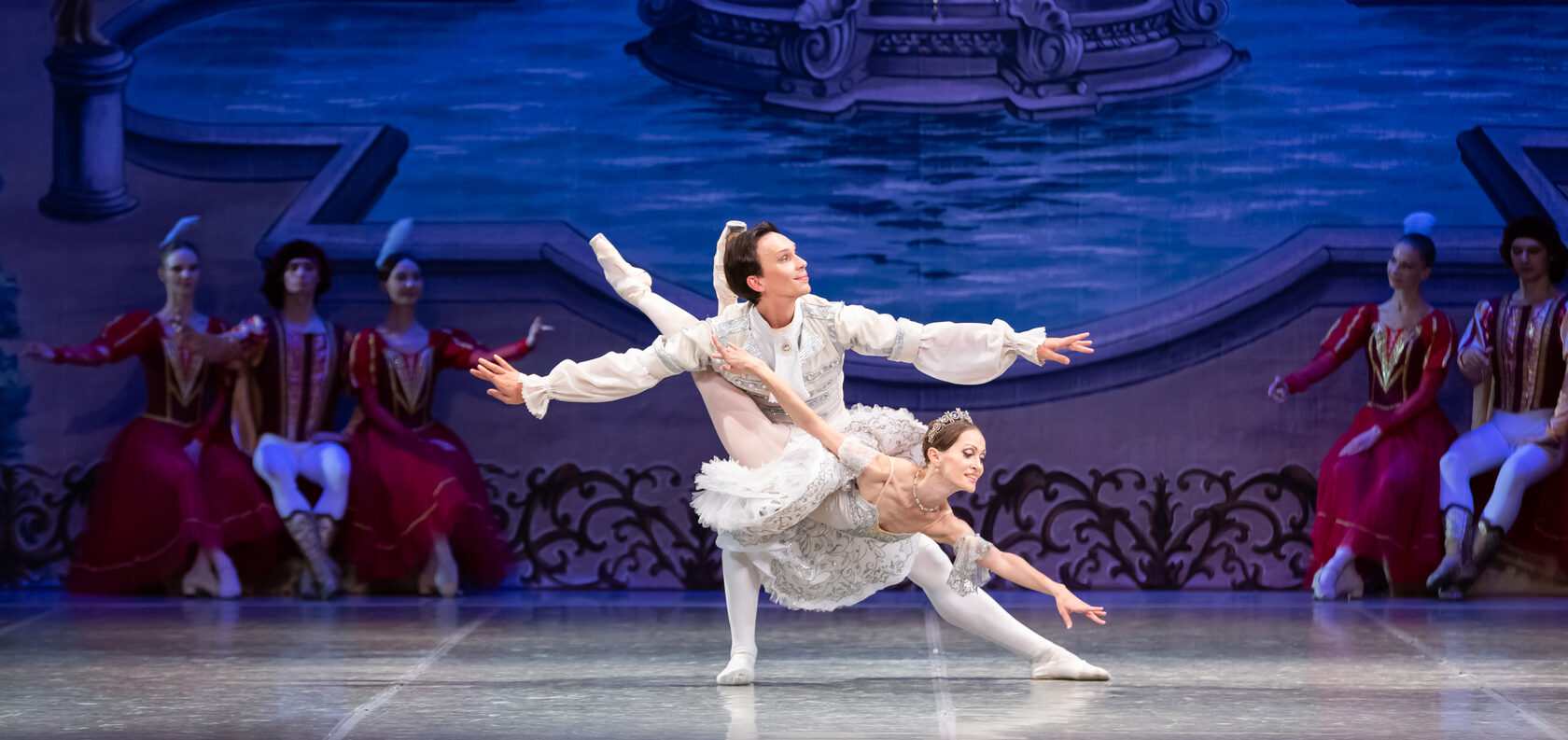
Running time: 2 hours 20 minutes Bolshoi Theatre buildings are closed and not available for any visit during the month in July-September 2026 (exact dates will be announced later). While the legendary Bolshoi Theatre is closed for its annual summer break, the magic of Russian ballet lives on just next door. The Summer Ballet Festival showcases world-class productions with artists trained at the same elite institutions as the Bolshoi stars. Many dancers are current or former members of the Bolshoi Ballet Company, bringing their extraordinary skill and spirit to the summer stage. Don’t miss this rare chance to experience the elegance and wonder of top-tier ballet in Moscow — where the Bolshoi’s legacy shines all summer long. An Encyclopedia of Classical Dance, a Breakthrough in Ballet Music, a Dazzling Spectacle — This Is The Sleeping Beauty. The Sleeping Beauty is a masterpiece of the ballet world: a magnificent fusion of choreographic perfection, musical brilliance, and timeless fairy-tale magic. The idea to create a ballet based on Charles Perrault’s beloved story of eternal slumber and a prince’s awakening kiss came from Ivan Vsevolozhsky, director of the Imperial Theatres. He wrote the libretto himself and designed the original costumes, but it was the genius of Pyotr Ilyich Tchaikovsky and Marius Petipa that transformed the idea into a true work of art. Tchaikovsky composed the radiant score, while Petipa crafted the choreography with unmatched elegance. Set in the opulent world of Louis XIV’s France, The Sleeping Beauty became the most beautiful and expensive production in the history of the Mariinsky Theatre. Though Tchaikovsky was asked to write the music according to Petipa’s precise choreographic plan, this did not restrict his creative freedom. Composed between his Fifth Symphony and The Queen of Spades, the ballet score is a luminous gem — full of grace and joy amid the composer’s more dramatic works. Often called the “symbol of Saint Petersburg ballet,” The Sleeping Beauty reflects the ethereal light of the White Nights and the soft scent of lilacs — a metaphorical triumph of good over evil. The ballerina becomes the heart of the performance: in Act I, an innocent girl on the cusp of life; by Act II, a radiant princess who has discovered love. This ballet has never lost its power to enchant both audiences and choreographers. Before Petipa’s version, it was performed in France, with the legendary Marie Taglioni in the lead role. Sergei Diaghilev took the ballet to London, with sets and costumes by the great Léon Bakst. At the Bolshoi Theatre alone, there have been no fewer than seven versions of The Sleeping Beauty. After its 2011 restoration, the Grigorovich edition opened the Bolshoi’s new season. The Sleeping Beauty brings together everything that makes classical ballet supreme: expressive pantomime, dazzling ensemble scenes, refined academic technique, and a story beloved since childhood. Children will see the victory of good over evil and the triumph of justice, while adults may sense something deeper — the spindle as a symbol of life’s thread and the transition into maturity. | |||||