
Stanislavsky Theatre
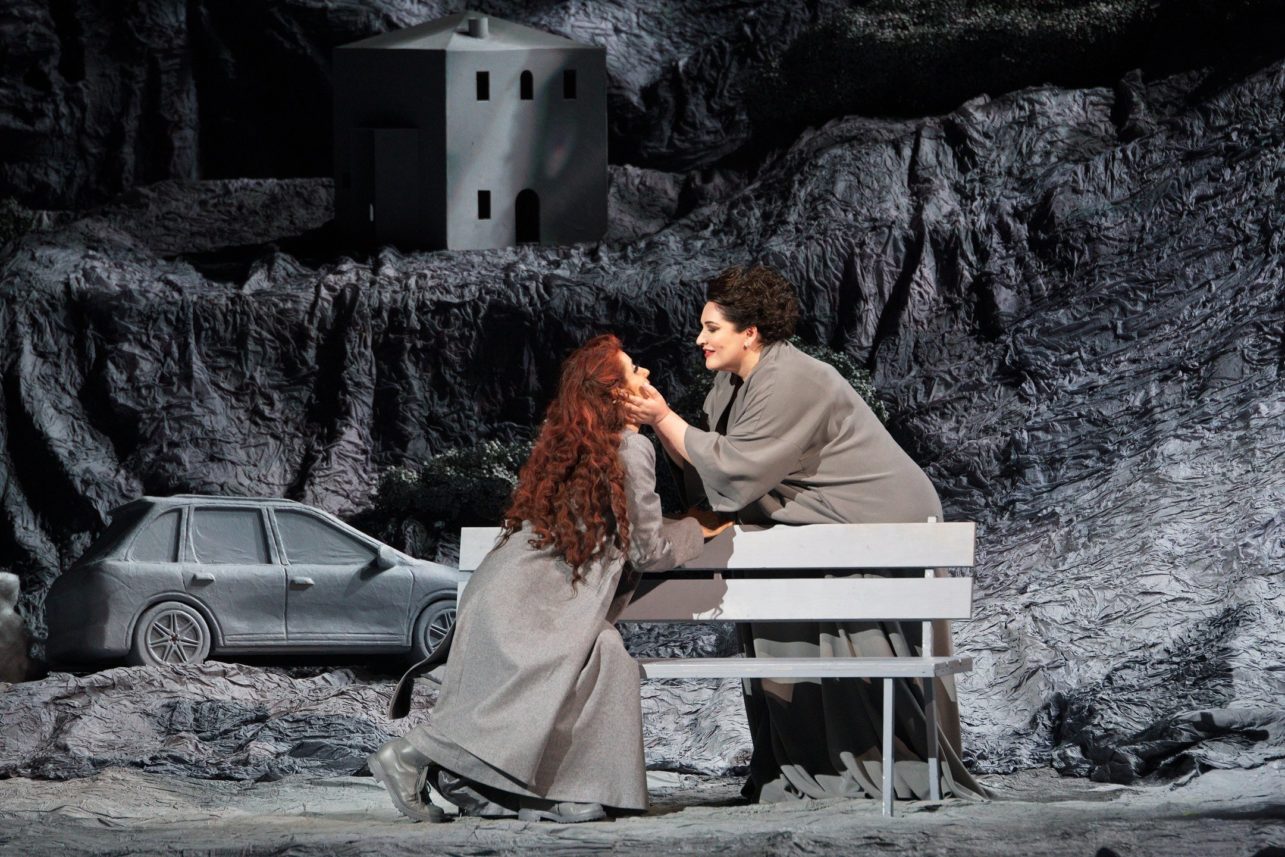
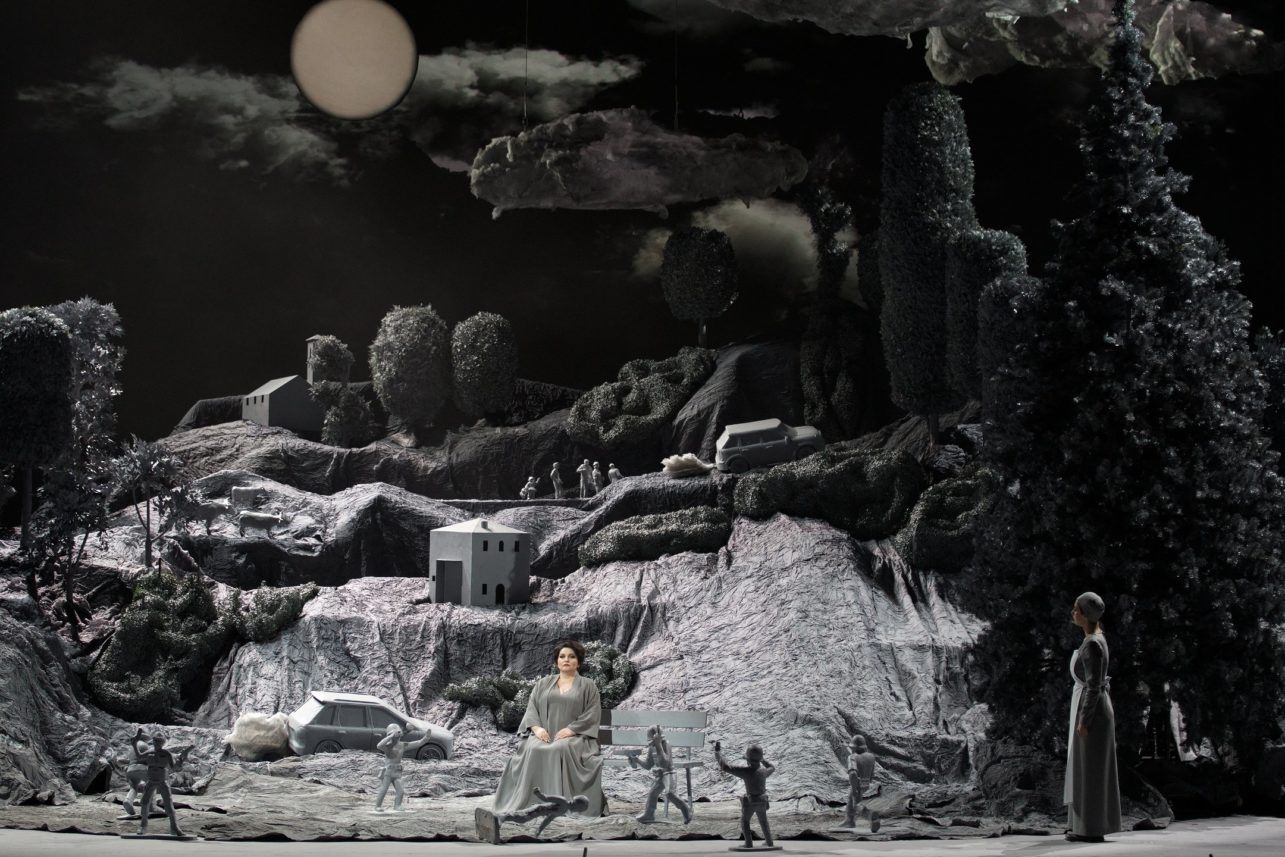
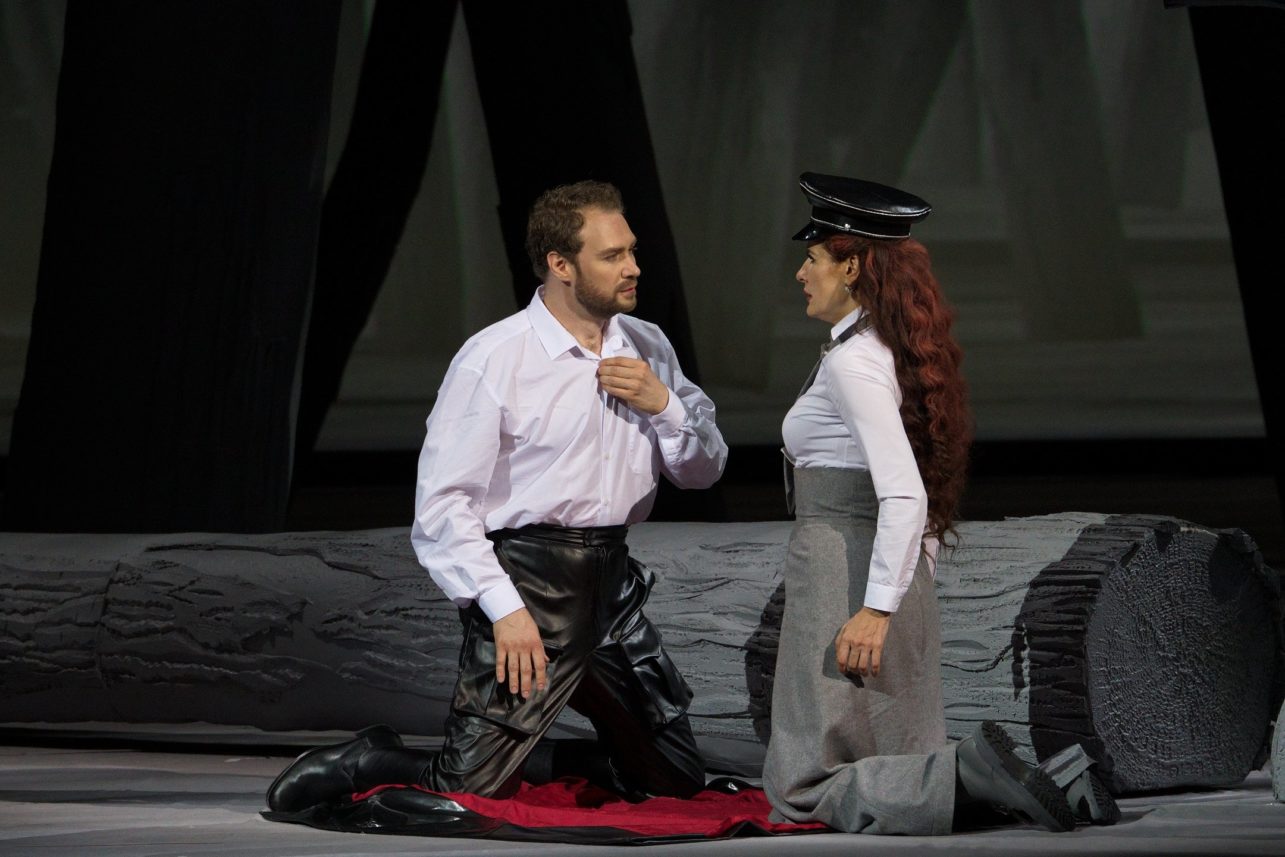
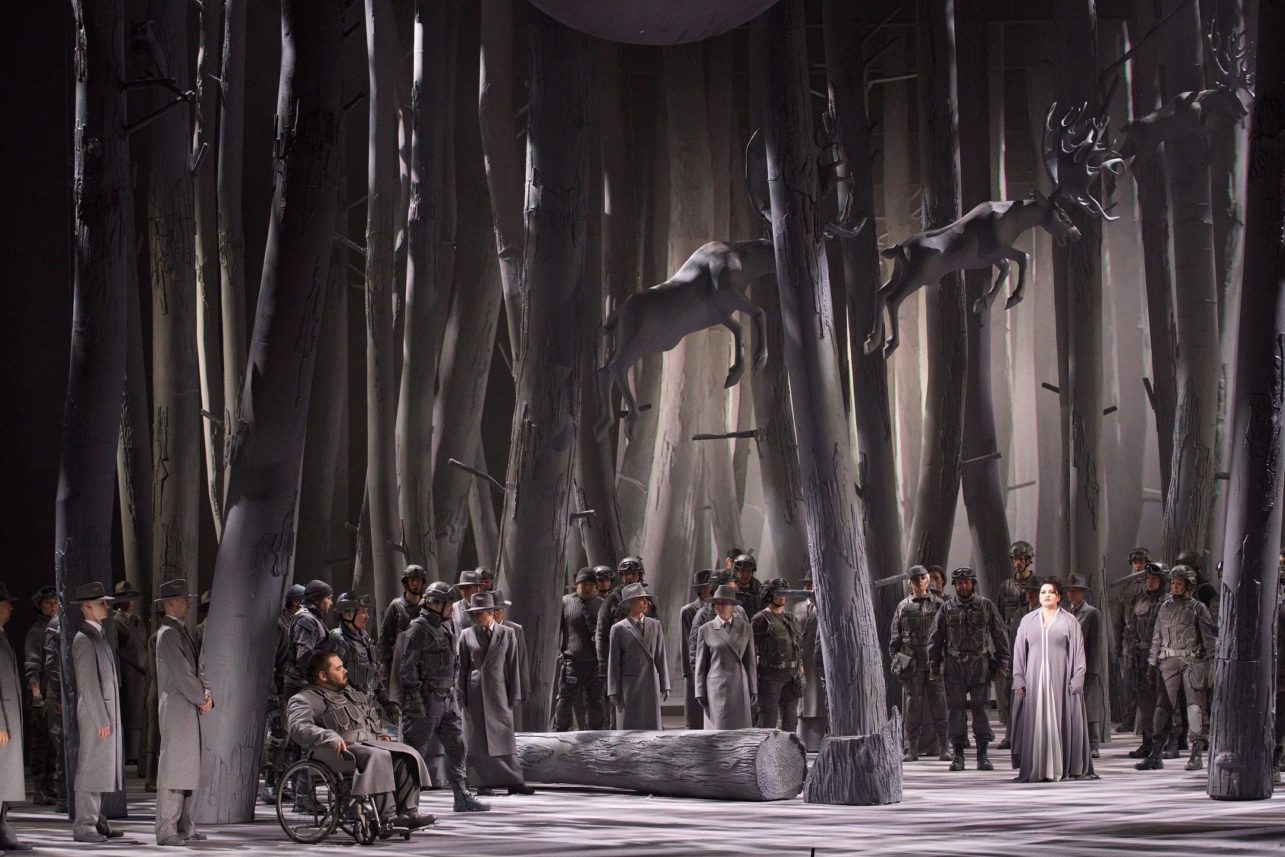
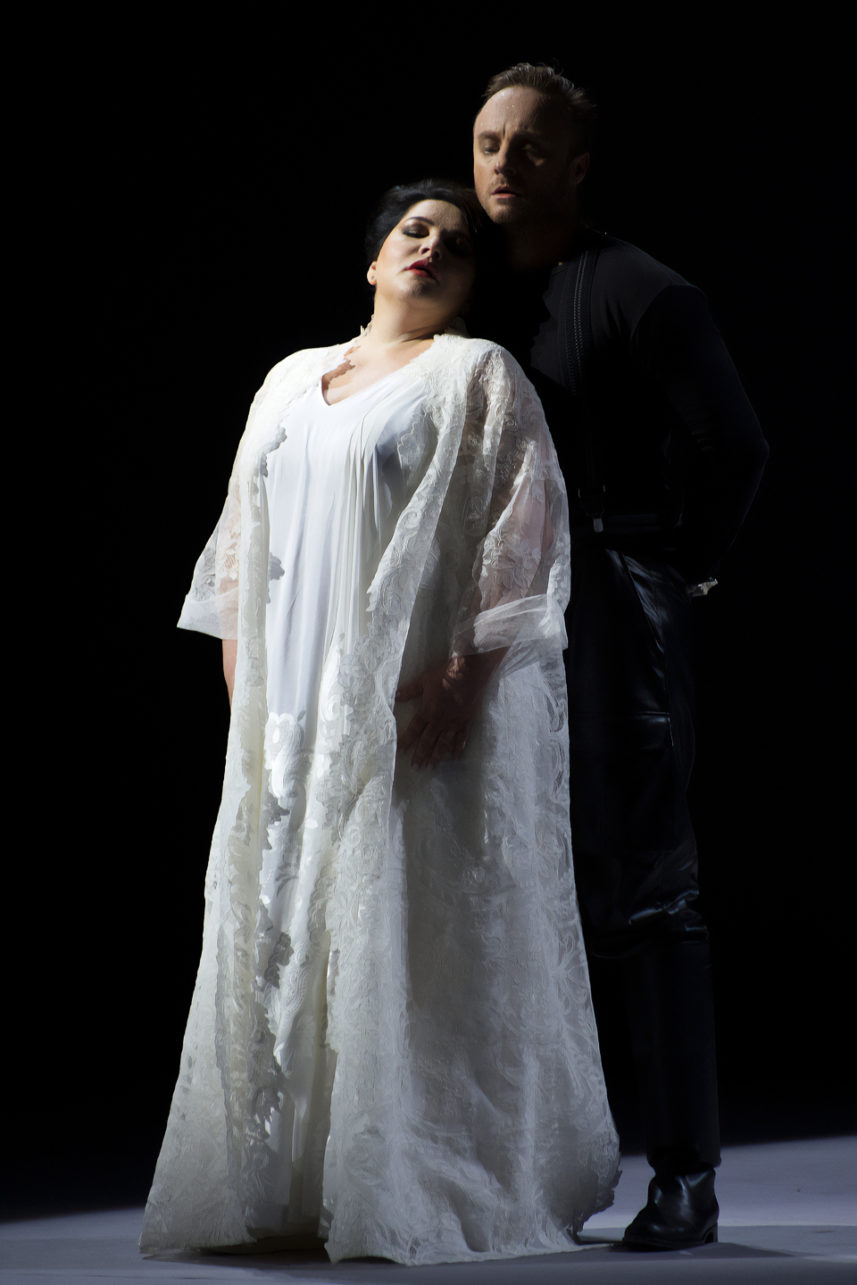
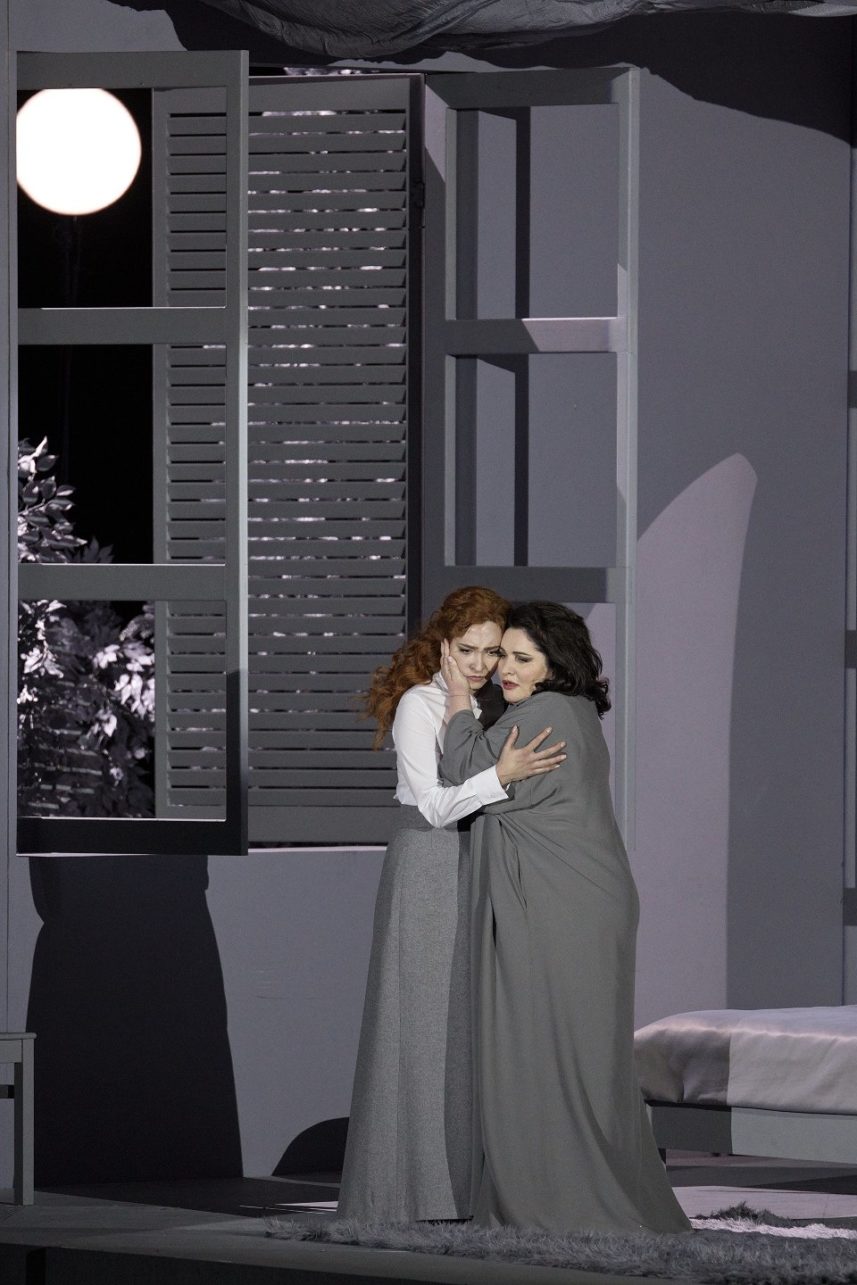
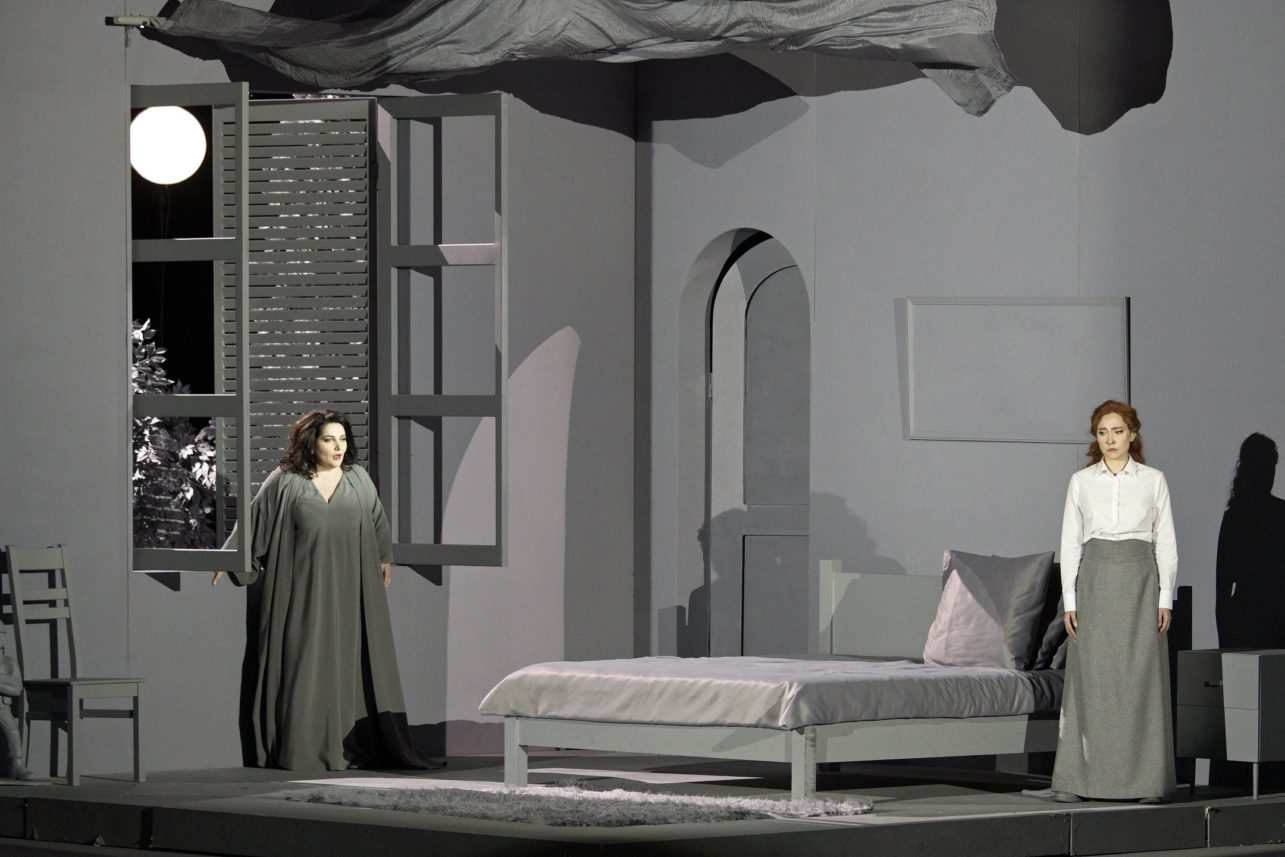
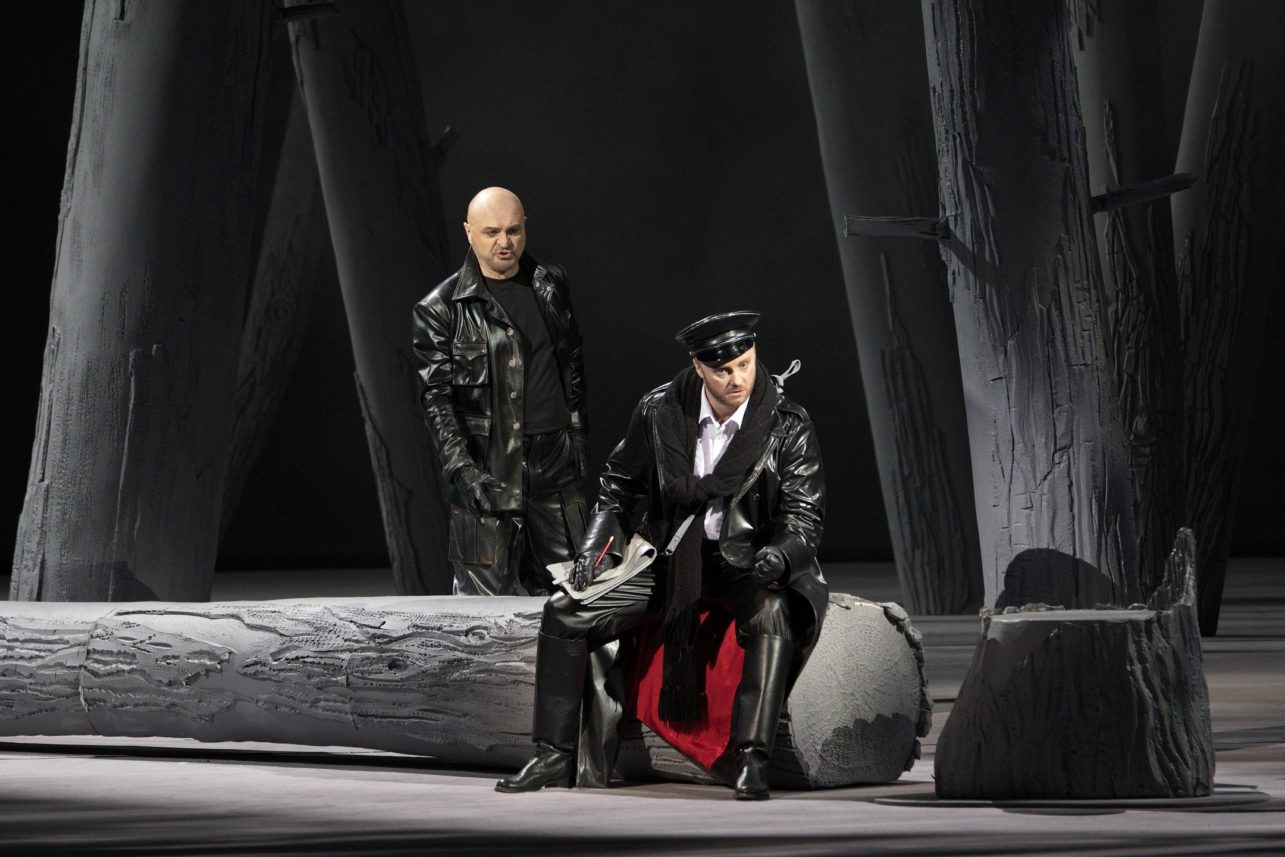
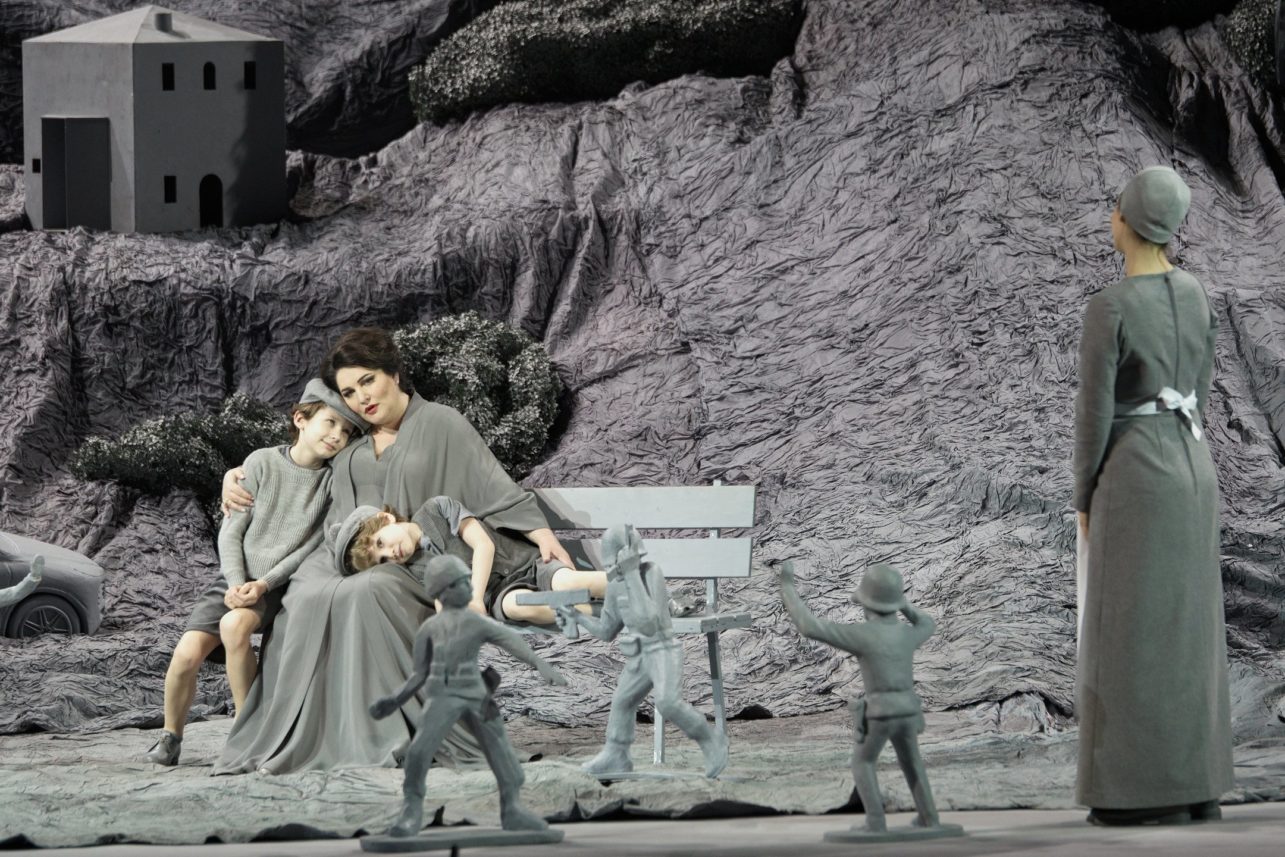
Performed in Italian Premiere of this production: 25 May 2023 The performance has 1 intermission Running time: 3 hours 15 minutes The Stanislavsky Theatre, located in XIX century historical building just 750 metres (9-minute walk) from the Bolshoi, proudly presents Vincenzo Bellini’s opera “Norma”, directed by Adolf Shapiro and featuring world-renowned soprano Hibla Gerzmava in the title role. The cast brings together outstanding singers and musicians who have performed on the Bolshoi stage and studied at the same prestigious academies as Bolshoi artists. Their artistry ensures a performance of rare intensity, where the beauty of Bellini’s music meets the deepest human emotions. Opera at the Stanislavsky Theatre is the great and affordable alternative to the Bolshoi. The Italian premiere of Norma took place on December 26, 1831 at La Scala in Milan. Just a few years later the opera reached Russia, yet despite its worldwide fame, this masterpiece is rarely staged in the country due to the extraordinary vocal demands of bel canto and the unparalleled difficulty of the soprano role. Now, for the very first time, Norma appears on the stage of the Stanislavsky and Nemirovich-Danchenko Theatre. This production avoids literal reconstruction of ancient rituals, instead offering a poetic vision — a meditation on the eternal themes of faith, love, and death. An unmissable performance: one of opera’s most demanding and moving masterpieces, brought to life in Moscow by extraordinary voices and musicians. SynopsisACT I Introduction Chorus and Oroveso’s Cavatina “Ite sul colle, o Druidi” (“Go up to the hill, Druids”) Oroveso, the high priest of the Druids, inspires his people to rise against the Romans. His daughter Norma, the high priestess, must perform the sacred harvest ritual, which will signal the uprising against the Roman oppressors. Recitative and Pollione’s Cavatina “Meco all’altar di Venere” (“At Venus’s altar with me”) From the conversation between Pollione and Flavio, we learn that Pollione is the father of Norma’s two children — the druid priestess has broken her vows through a forbidden union with a Roman. Now, however, he is passionately in love with the young priestess Adalgisa. Flavio urges Pollione to flee, but he is blinded by his new infatuation. Chorus “Norma viene” (“Norma is coming”) The high priestess tells the Druids that the time for battle against the Romans has not yet come. Rome is doomed, but it will fall by its own vices. For now, peace must prevail. Oroveso insists that the Roman proconsul Pollione must be the first to die. Norma, however, cannot condemn her beloved to death. She senses Pollione’s growing coldness, yet she tenderly recalls their days of love. Duet of Adalgisa and Pollione “Va’, crudele, e al dio spietato” (“Go, cruel one, and to the merciless god”) Adalgisa is alone in the sacred forest, torn by inner conflict. It was here that she first met the Roman she has come to love, despite the laws of her faith. Pollione and Flavio appear. The proconsul pleads with Adalgisa to flee with him to Rome. Love and duty struggle within her, but she finally gives in. Scene and Duet of Norma and Adalgisa “Sola, furtiva al tempio” (“I met him secretly in the temple”) Norma orders her companion Clotilde to take her children away — she cannot bear to look at them, the offspring of her union with a foreigner. She confides her heavy thoughts to Clotilde: Pollione is being recalled to Rome. Will he take her and their children with him? Adalgisa arrives and confesses that she is in love. Norma listens with deep sympathy — she once met Pollione in the same way and loved him just as passionately. She releases Adalgisa from her vow of chastity, unaware that the young priestess’s beloved is the father of her own children. Scene and Trio of Norma, Adalgisa, and Pollione “Oh! di qual sei tu vittima” (“You have fallen victim to cruel deceit”) Pollione’s arrival reveals the terrible truth to Norma. She vows vengeance on the betrayer. ACT II Scene of Norma and Clotilde “Dormono entrambi…” (“They are both asleep…”) Norma contemplates killing her children but realizes she cannot. She summons Clotilde and asks her to bring Adalgisa. Scene and Duet of Norma and Adalgisa “Deh! con te, con te li prendi” (“Ah, take them with you”) / “Mira, o Norma” (“Look, Norma”) Norma insists that Adalgisa marry Pollione and take her children to Rome. Adalgisa refuses and promises instead to try to win Pollione back for Norma. Chorus and Oroveso’s Entrance “Non partì! Finora è al campo!” (“He hasn’t left! He is still in the camp!”) / “Guerrieri! A voi venirne” (“Warriors! I meant to come to you”) The gathered warriors discuss the coming war. They are determined to fight the Romans, but Oroveso urges them to be patient. Scene and Chorus “Ei tornerà” (“He will return”) / “Guerra, Guerra!” (“War, War!”) Norma waits for news from Adalgisa. Clotilde brings devastating news: Pollione has refused to return to Norma. In fury, Norma calls the Druids to war and bloodshed. Scene and Duet of Norma and Pollione “In mia man alfin tu sei” (“At last, you are in my hands”) Clotilde announces that the sacred temple has been desecrated — a Roman has entered it. The Druids demand Pollione’s death. Norma offers him a choice: death, or life if he leaves Gaul without Adalgisa. Pollione rejects her offer. Suddenly, Norma declares herself the guilty priestess who must die. Moved by her strength and courage, Pollione chooses to die with her. Finale Norma and Pollione ascend the funeral pyre together. | ||||||||||