
Stanislavsky Theatre
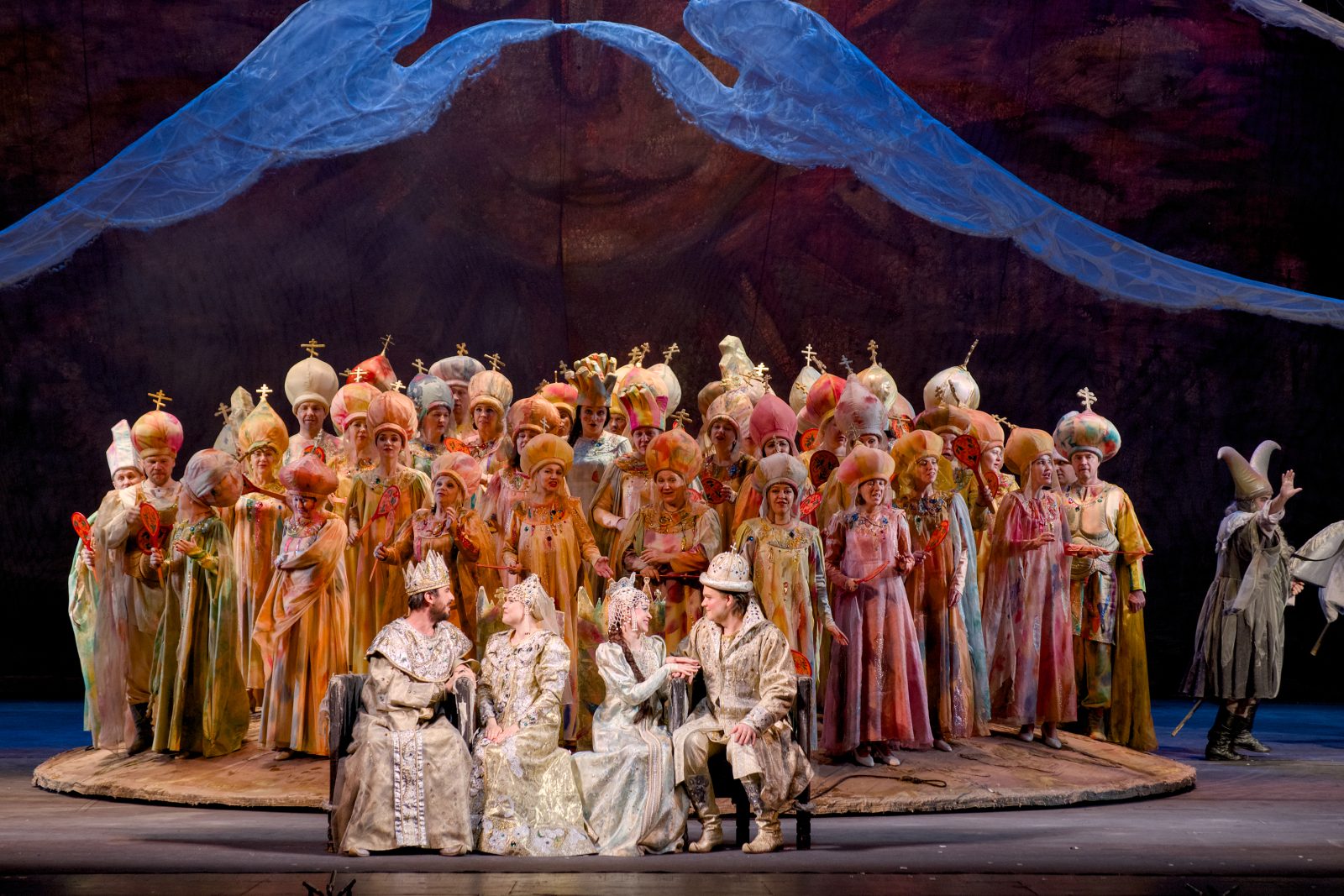
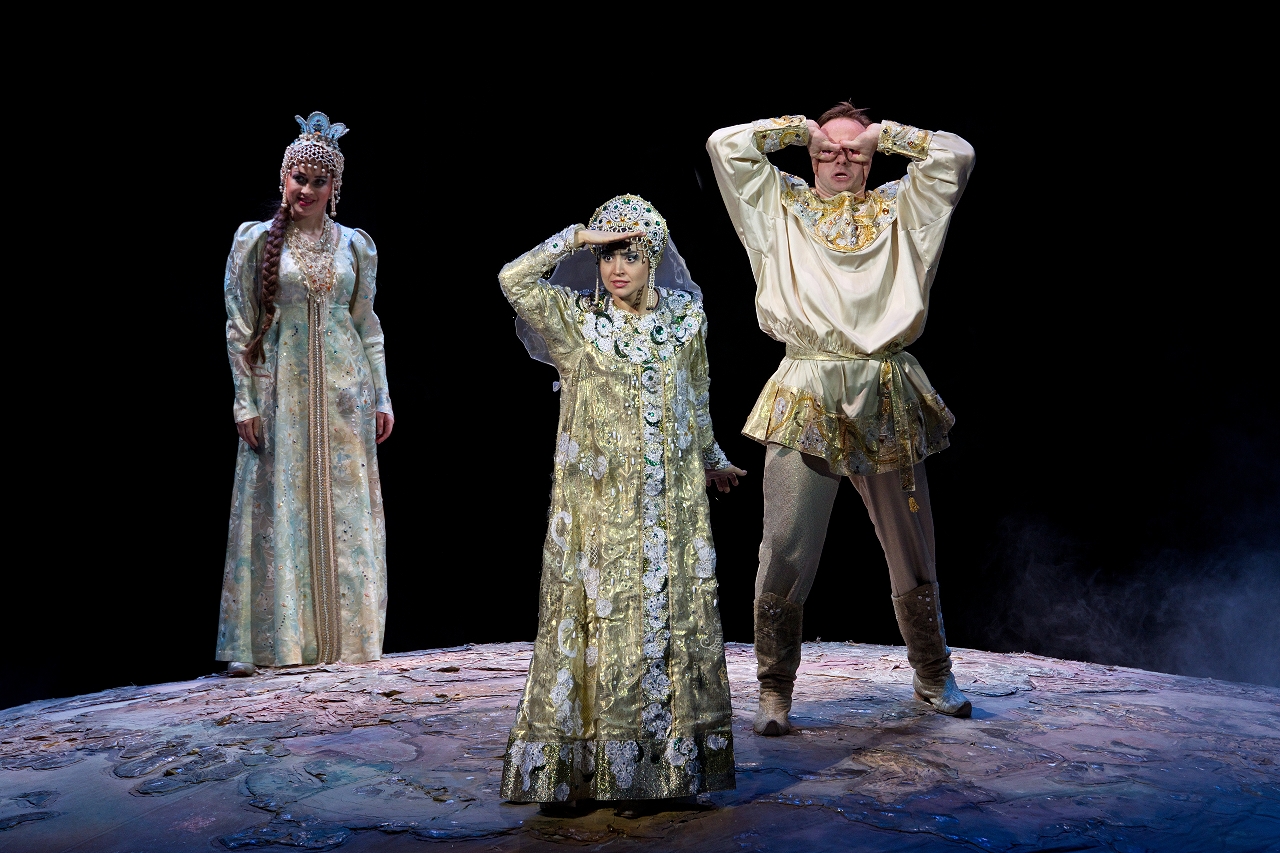
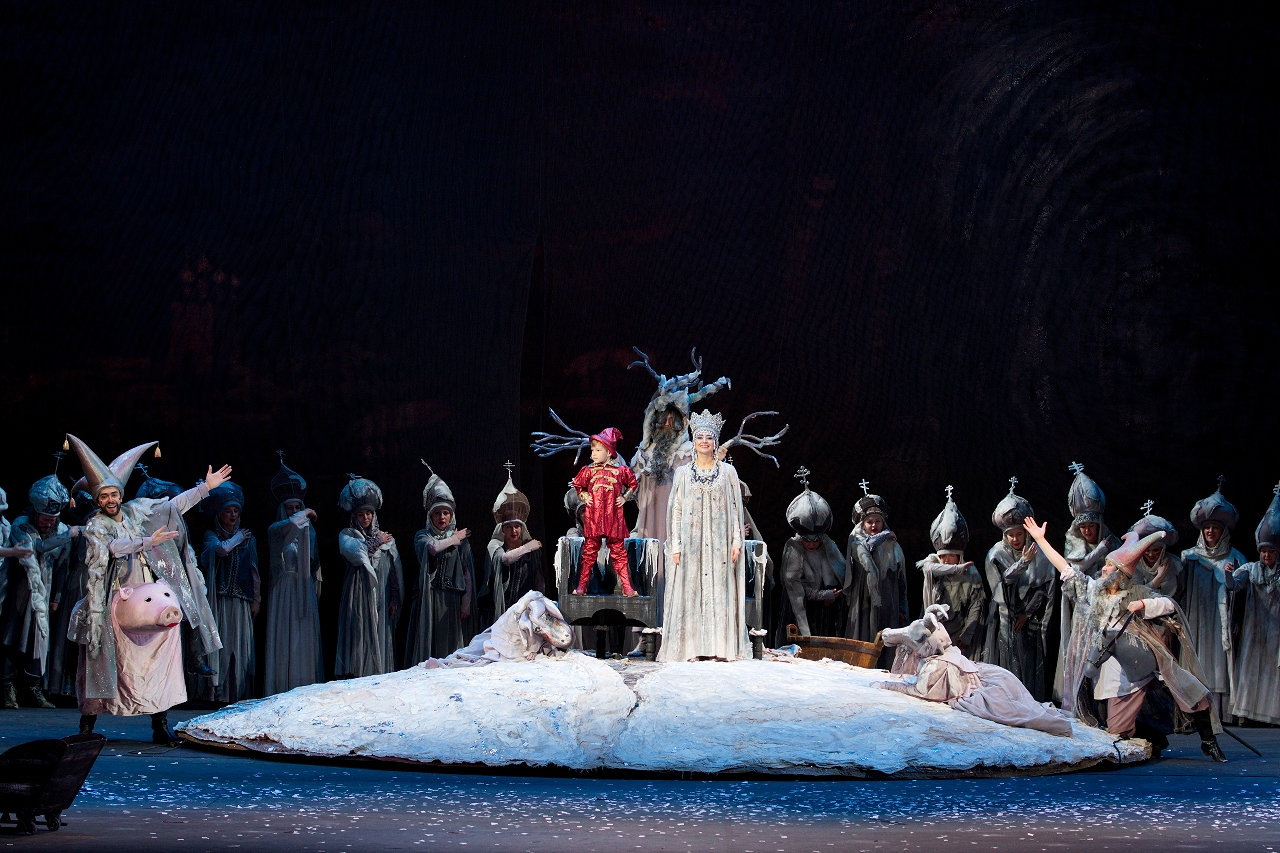
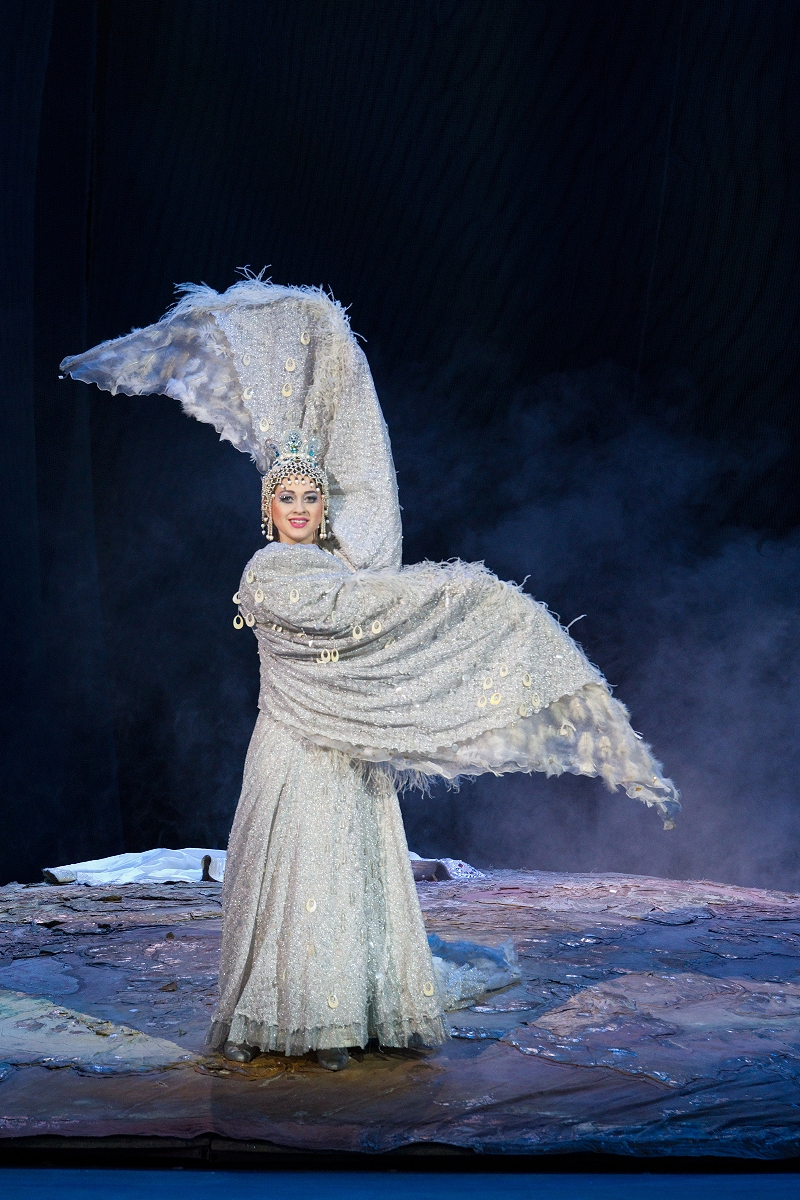
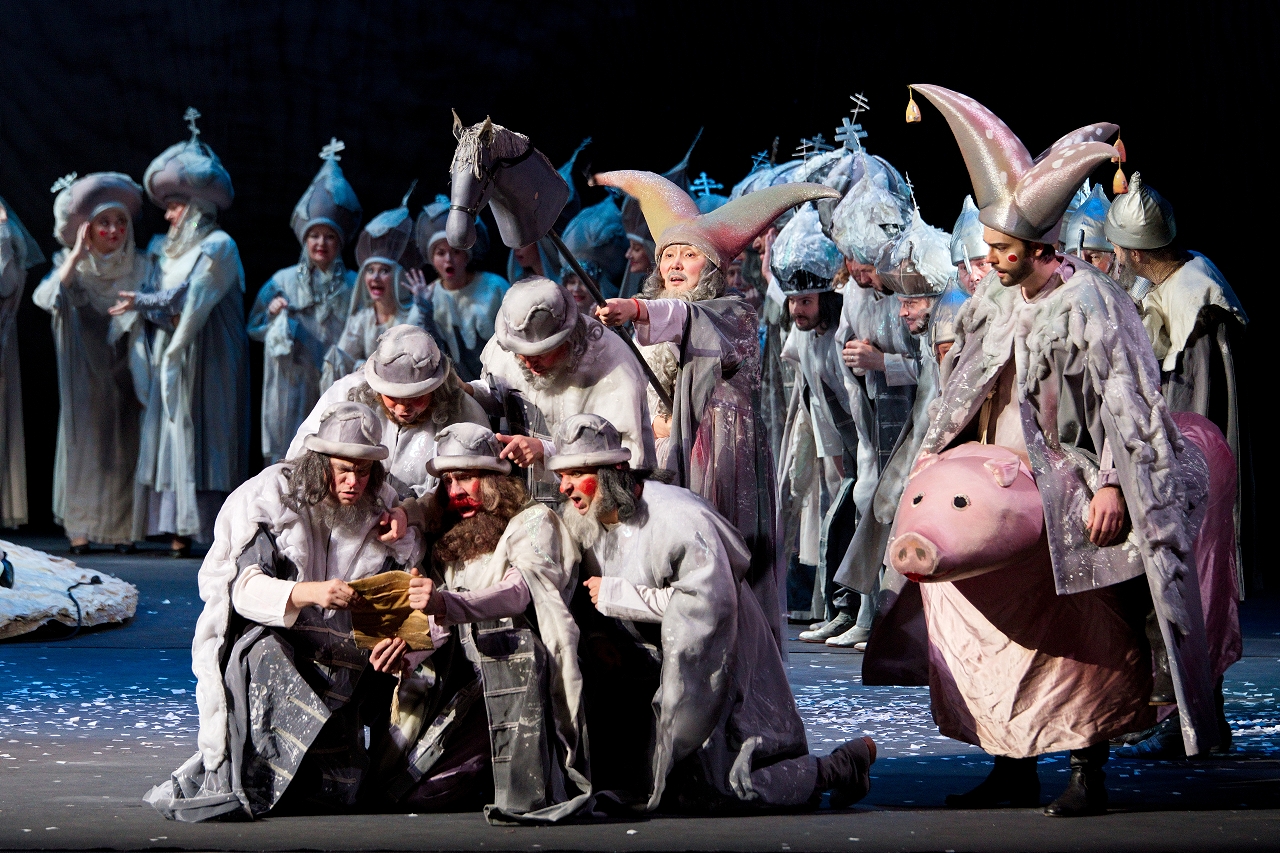
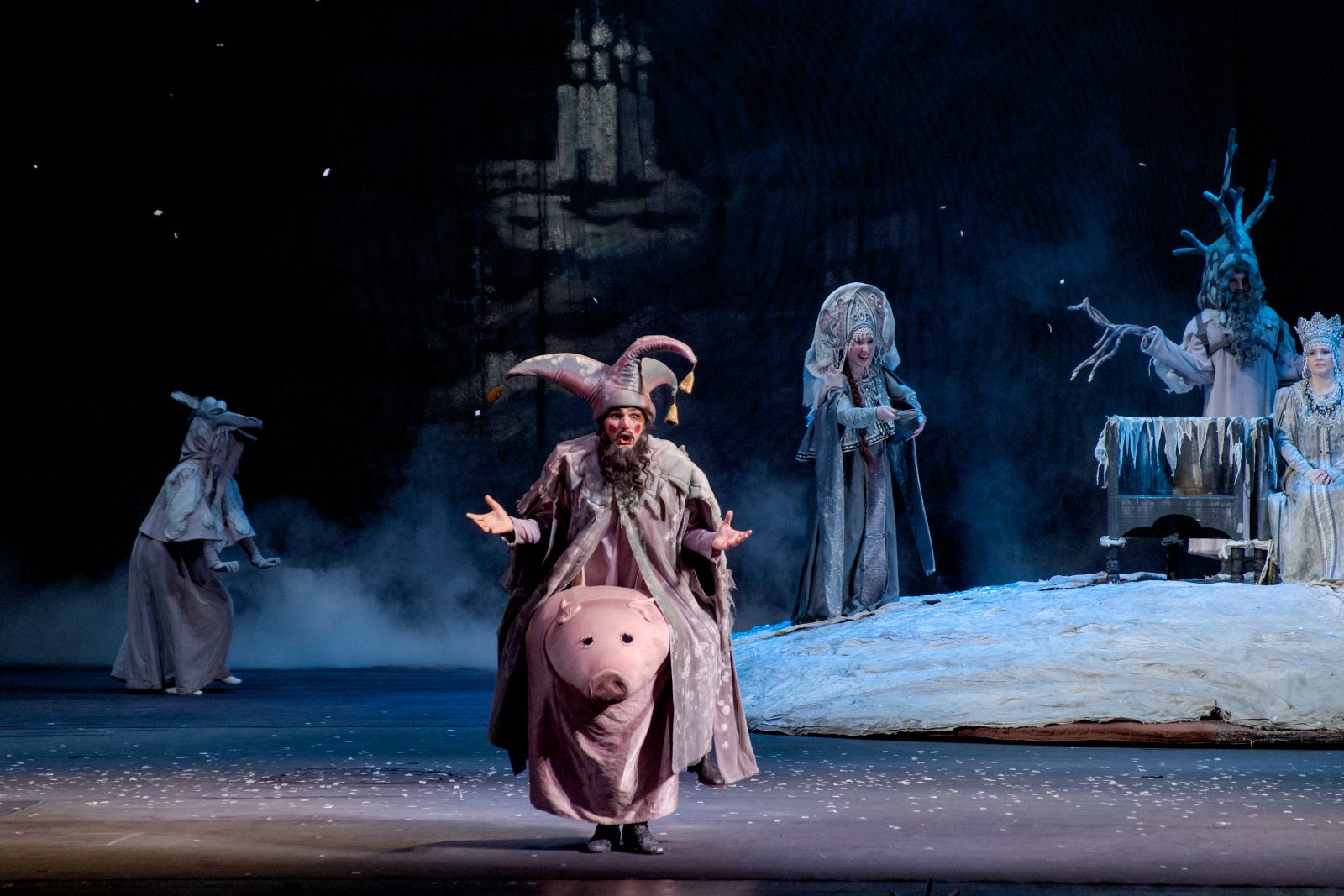
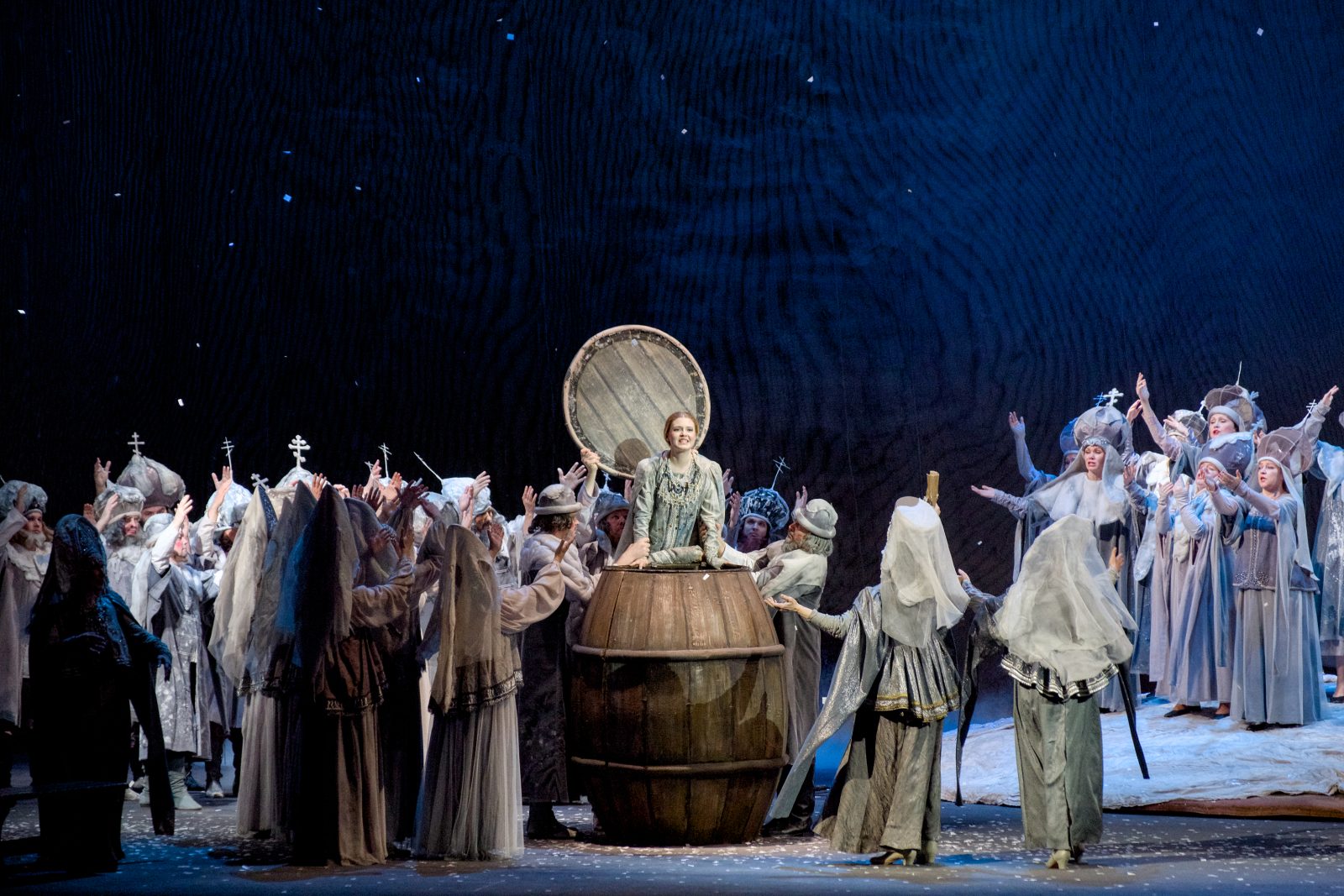
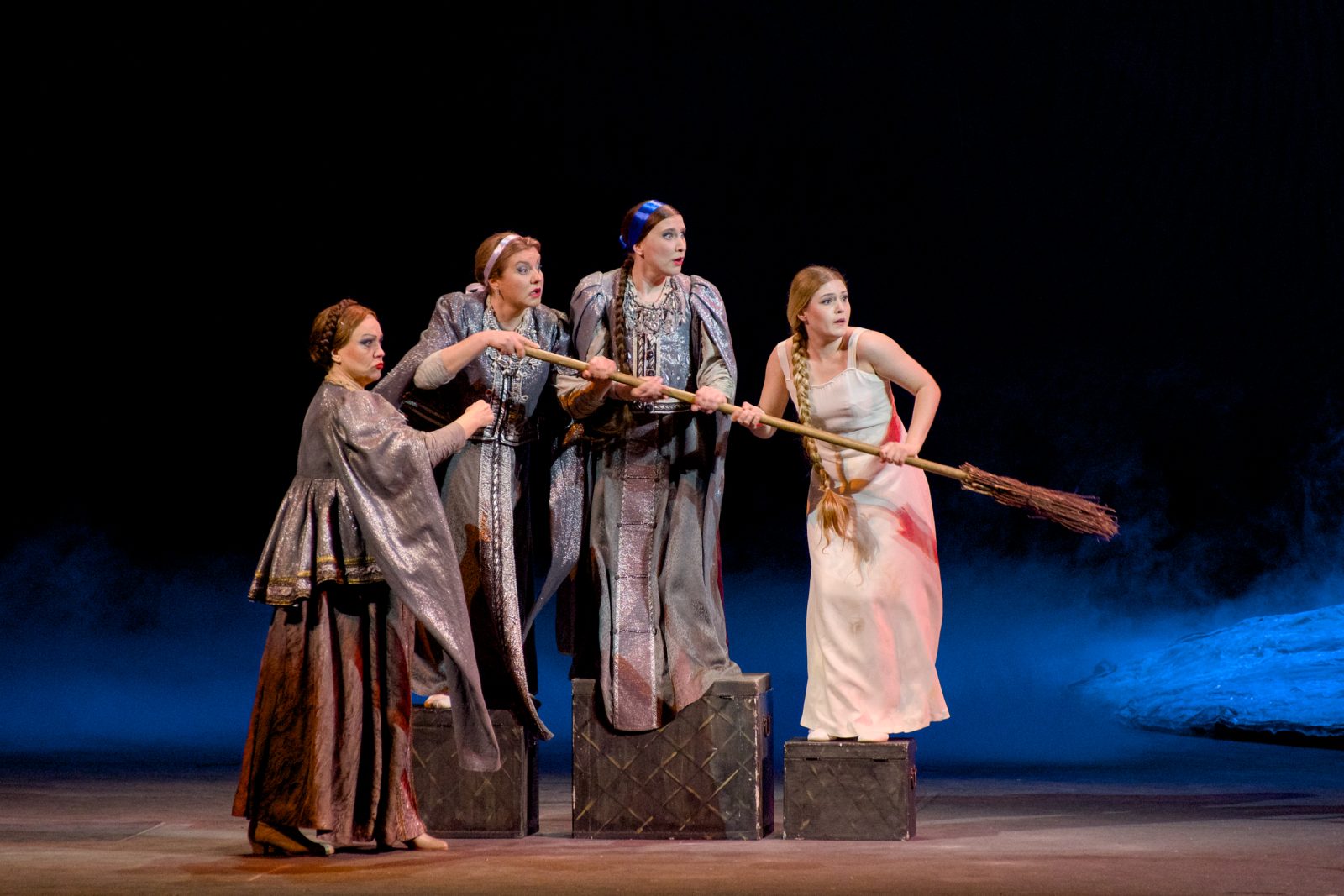
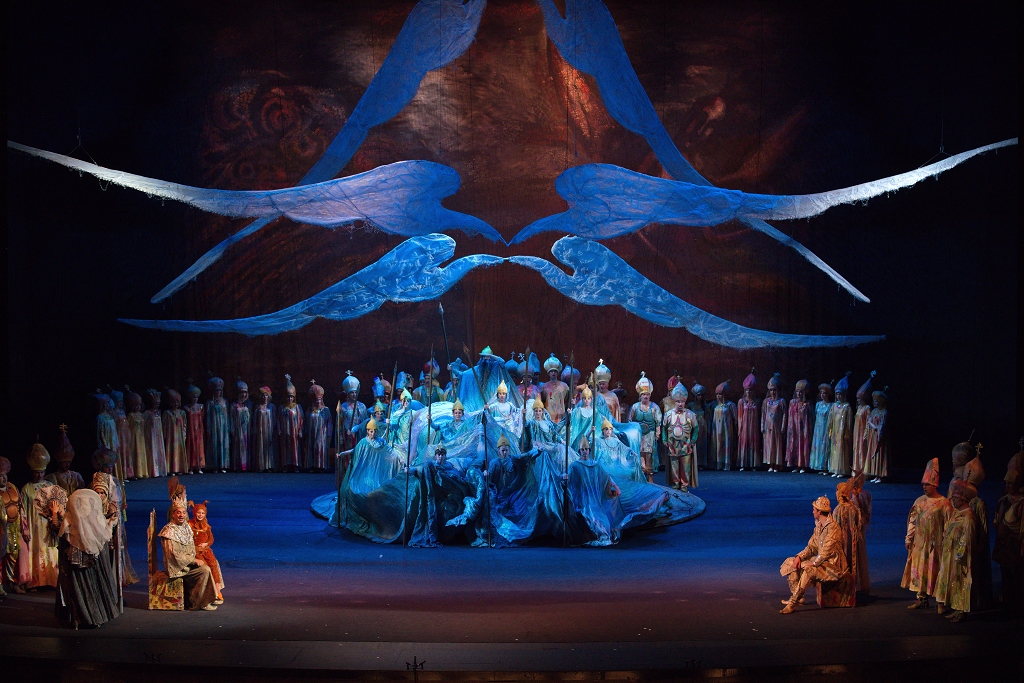
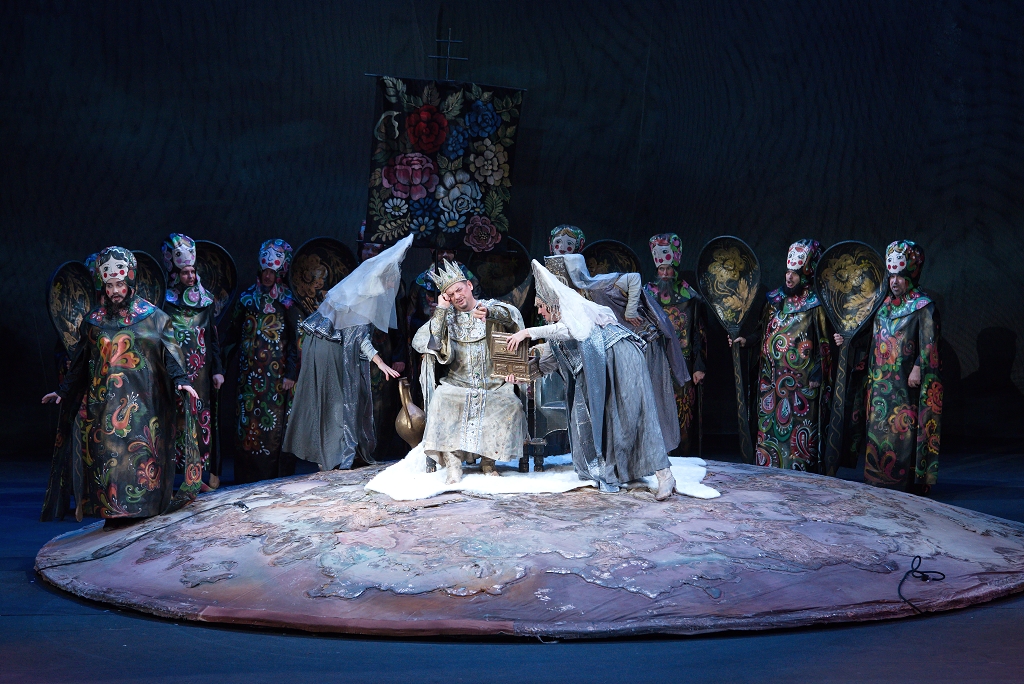
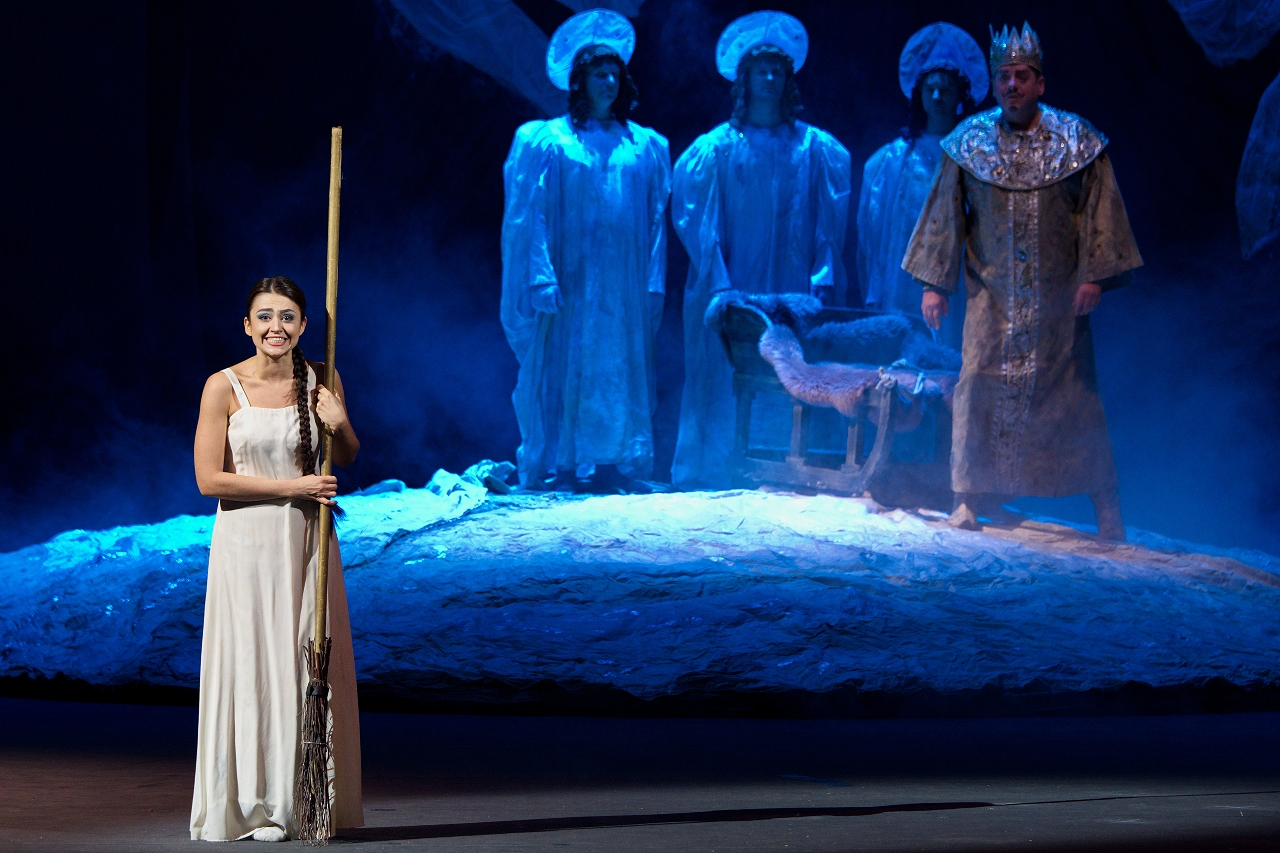
Performed in Russian Premiere of this production: 29 Aug 1997 The performance has 1 intermission Running time: 2 hours 35 minutes The Stanislavsky Theatre, located in XIX century historical building just 750 metres (9-minute walk) from the Bolshoi, offers audiences the unique opportunity to enjoy one of the most beloved family productions in Moscow, Nikolai Rimsky-Korsakov’s opera The Tale of Tsar Saltan. The production features performers of remarkable distinction, many of whom have appeared on the stage of the Bolshoi Theatre and trained in the same world-renowned academies that shaped Russia’s most celebrated opera and ballet stars. Their artistry, combined with the inventive staging, ensures that this timeless fairy tale continues to enchant both children and adults, generation after generation. Opera at the Stanislavsky Theatre is the great and affordable alternative to the Bolshoi. One of the most beloved family productions in Moscow, Nikolai Rimsky-Korsakov’s opera The Tale of Tsar Saltan has delighted audiences for generations. First staged at the Stanislavsky and Nemirovich-Danchenko Music Theatre in 1997, this vivid and imaginative production was created by director Alexander Titel together with designers Yuri Ustinov and Irina Akimova. The premiere was conducted by Ara Karapetyan. Since then, The Tale of Tsar Saltan has remained a bestseller among parents and children alike. Adults come to hear the Theatre’s outstanding soloists – with even the smallest roles entrusted to top-tier artists – while young audiences are captivated by a handcrafted world of magic and wonder. On stage, members of the chorus and mime ensemble bring to life the characters of Tmutarakan and the island of Buyan: angels, fish, cows, trees, and even the city itself, all in playfully inventive costumes. “This world, kind and warm, is born on an empty stage out of the imagination of the creators – and, just as importantly, our own. The game proposed to the audience and readily accepted by it immediately made the opera alive and light, bright and funny,” wrote critic Valery Kichin in Rossiyskaya Gazeta shortly after the premiere. SynopsisOn a winter’s evening in a village cottage, three sisters are spinning.The elder sisters have completely worn out the youngest, Militrisa: fetch water, stoke the stove, milk the cow. Meanwhile, they boast only of their beauty and strength. “If I were a tsarina,” dreams the eldest, “I would prepare a feast for the whole world.”The middle one echoes: if she were tsarina, she would weave cloth for the whole world.But the youngest says she is no mistress of baking or weaving; she would “bear a mighty hero for the Tsar himself.” No sooner had she spoken than Tsar Saltan enters the cottage and commands her at once to come to the palace. She shall be tsarina, while her sisters will serve: one as the royal cook, the other as the royal weaver. Envy consumes the elder sisters, and together with their kinswoman, old Babarikha, they plot misfortune for Militrisa. Act One In the royal palace of Tmutarakan, Tsarina Militrisa awaits the return of Saltan from war. Long ago she sent a messenger to her husband with joyful news of the birth of Prince Gvidon, yet no reply has come. She does not know that her wicked sisters and Babarikha have forged her letter and sent word instead that “the tsarina has borne in the night not a son, nor a daughter, not a mouse, nor a frog, but a monstrous little creature.” Act Two For a long time the barrel drifts upon the blue sea. Hour by hour, Prince Gvidon within grows swiftly. At last, the waves cast the barrel onto the deserted shore of the island of Buyan. Alone on the island are Tsarina Militrisa and her young son, Prince Gvidon. Act Three Scene One Gvidon lives happily in the city of Ledenets. Yet whenever he sees ships sailing toward Tmutarakan, a bitter longing gnaws at his heart. He wishes to visit his homeland, to see his father. He seeks counsel from the Swan. She instructs him to plunge into the sea three times, and Gvidon is transformed into a bumblebee. Scene Two In the royal chambers, Saltan warmly entertains the sailors. They tell him of the wondrous city of Ledenets, ruled by Prince Gvidon, and of its marvels: the magic squirrel that cracks golden nuts and sings songs, and the thirty-three warriors who rise from the waves of the sea. Saltan is ready to depart at once to visit Gvidon, but Militrisa’s wicked sisters and Babarikha restrain him. They distract him with tales of yet another wonder, unseen even in Ledenets: a maiden whose beauty “outshines the sun by day and illuminates the earth by night.” The bumblebee stings the wicked women and flies away. Act Four Scene One The young prince cannot forget the tale of the unknown, radiant maiden. He calls the Swan and begs her to show him how to find her. He is ready “to walk on foot to the ends of the earth.”“No need to seek afar… That maiden is I!” replies the Swan, and transforms into a beautiful princess. Militrisa descends to the shore and joyfully blesses Gvidon and the Swan-Princess. Scene Two Tsar Saltan arrives on the island. Long he marvels at the three wonders of Ledenets. Yet the greatest wonder of all is that his beloved wife and son are alive and unharmed. In his joy, Saltan even forgives the treacherous sisters. A feast for the whole world begins. | Nikolay Rimsky-Korsakov "The Tale Of Tsar Saltan" Opera in 2 acts on the playbill | ||||||||||||||