
A revival of V. Burmeister's ballet "Straussiana" to the music of J. Strauss
Ticket resale service. Prices may be higher or lower than face value.
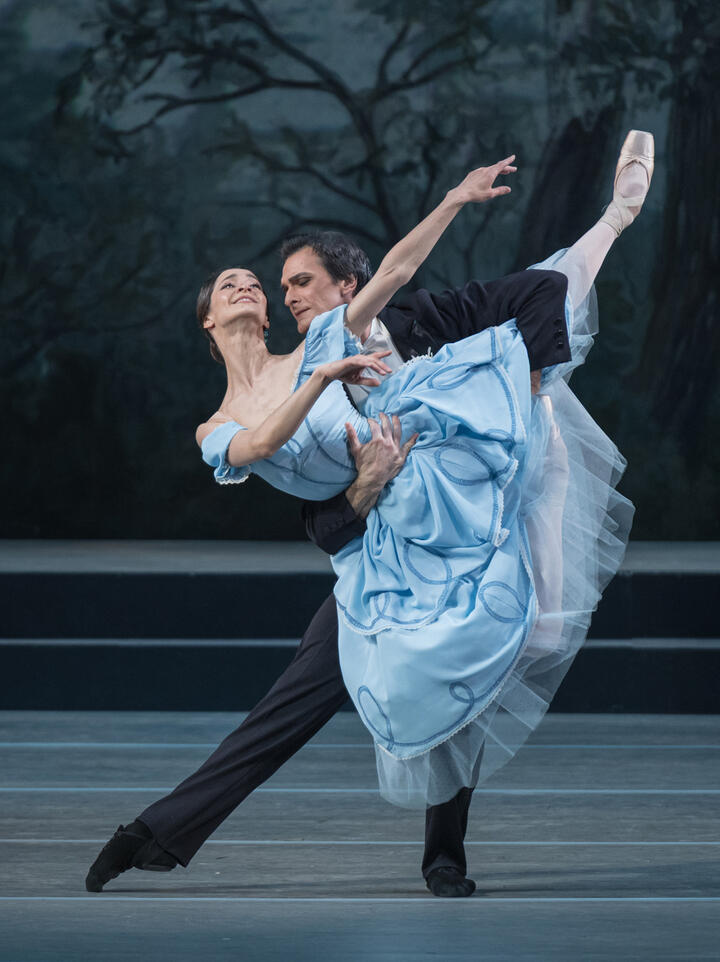
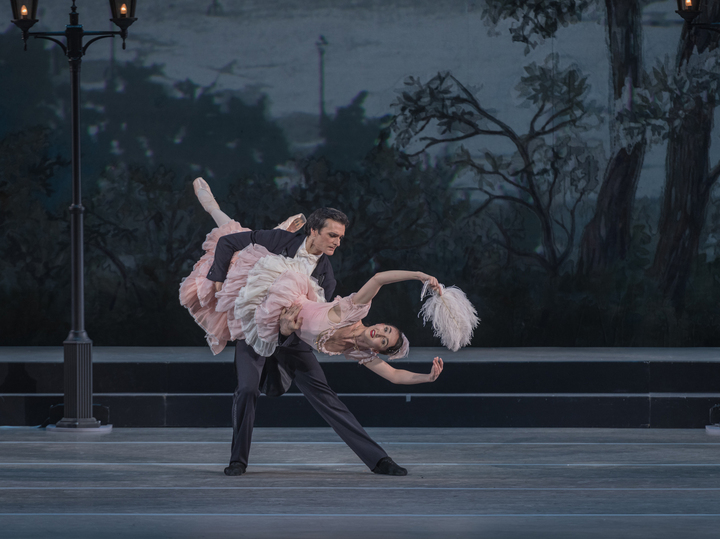
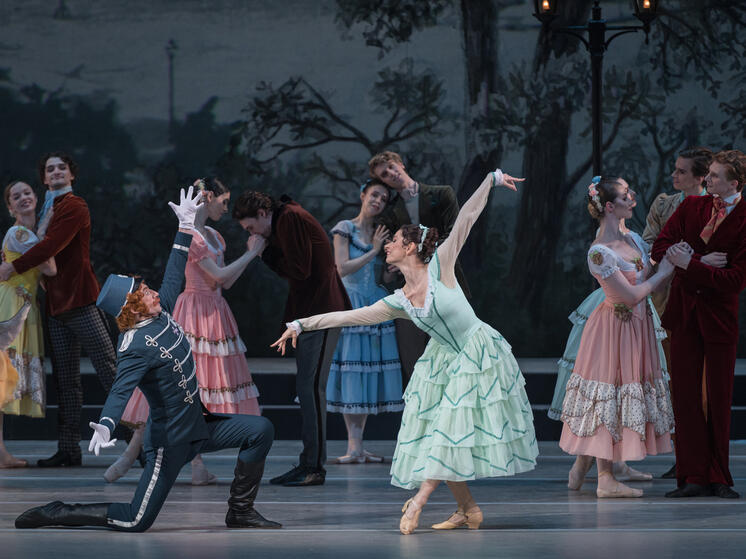
Running time: 40 minutes Step into the elegant world of Straussiana, a revival of Vladimir Burmeister’s enchanting ballet set to the sparkling music of Johann Strauss. Just 750 meters from the Bolshoi, the historic 18th-century Stanislavsky Theater welcomes dancers trained at the same prestigious Russian academies as Bolshoi artists. Graceful choreography, lively waltzes and the charm of a bygone Vienna create a captivating evening of classical ballet in a truly atmospheric setting. The revival of the one-act ballet Straussiana, choreographed by the outstanding choreographer Vladimir Bourmeister to music by Johann Strauss II, will take place on the Main Stage. Light, elegant and filled with waltzes, the ballet transports audiences to a summer café in Vienna during the golden age of operetta. Beneath the rustling leaves, moonlight and the glow of lanterns, a colourful crowd gathers. Students court young women, a messenger hurries to meet a waitress, and a thief steals a handbag from a governess. The Tender Beloved awaits the Poet, but their meeting is interrupted by the appearance of a famous Actress. Captivated by her glamour, the Poet abandons his Beloved, leaving the young woman alone in the now-empty café. Their world is filled with chance encounters, flirtations, jealousy, little comedies and quiet dramas. Every movement grows out of Strauss’s music, while the waltzes — including the famous The Blue Danube — create an atmosphere of old Vienna: festive, fragile and fleeting. New stage design is being created for the revival: a minimalist café setting, a park fence and a vivid sense of a garden extending beyond the stage. Video projections convey the movement of the wind through the treetops, while the costumes, inspired by the silhouettes of the second half of the 19th century, retain clarity of form, lightness and expressiveness in movement. Behind the brilliance of Straussiana lies a remarkable story. The world premiere of Vladimir Bourmeister’s ballet took place on 25 October 1941 at the Stanislavsky and Nemirovich-Danchenko Moscow Academic Music Theatre — in Moscow on the front line, during the days of air raids. A ballet about carefree pre-war Vienna was created at a time when air-raid sirens sounded beyond the theatre walls. Its premiere became a symbol of the theatre’s resilience and its faith in the power of art. It is this contrast that reveals the deeper tension of the ballet: the waltz and the war, the light of the café and the shadow of history, the festive crowd and the solitude of the abandoned Beloved. Straussiana reminds us that art can preserve beauty even on the brink of catastrophe, and that the lightest of dances can sometimes be born from a profound human need for hope. In 2026, marking the anniversary of the world premiere of Straussiana, the Stanislavsky and Nemirovich-Danchenko Music Theatre will hold special commemorative events before performances of the revived ballet. | |||||