
Aram Khachaturyan "Spartacus" (ballet in 3 acts)
Ticket resale service. Prices may be higher or lower than face value.
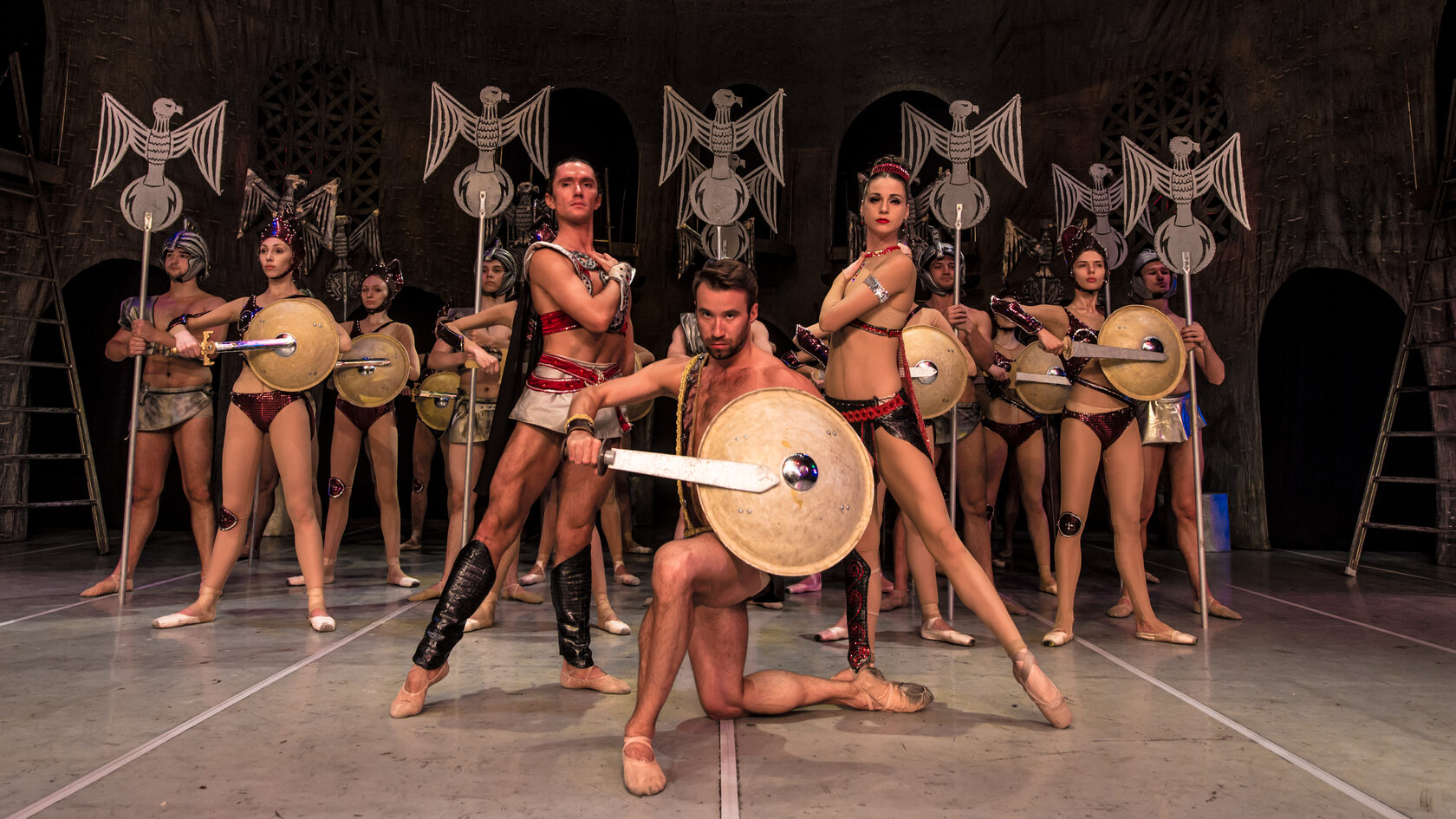
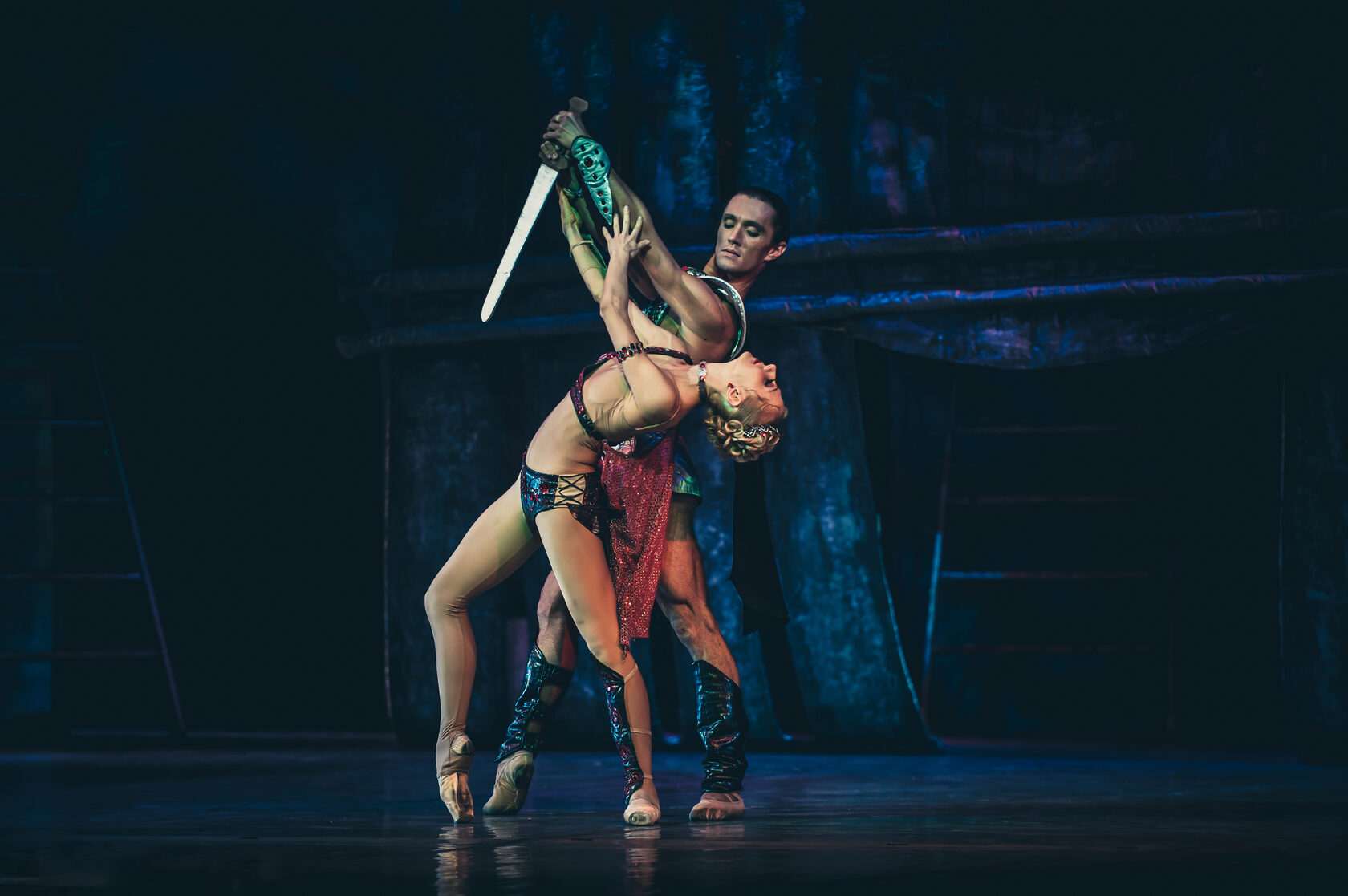
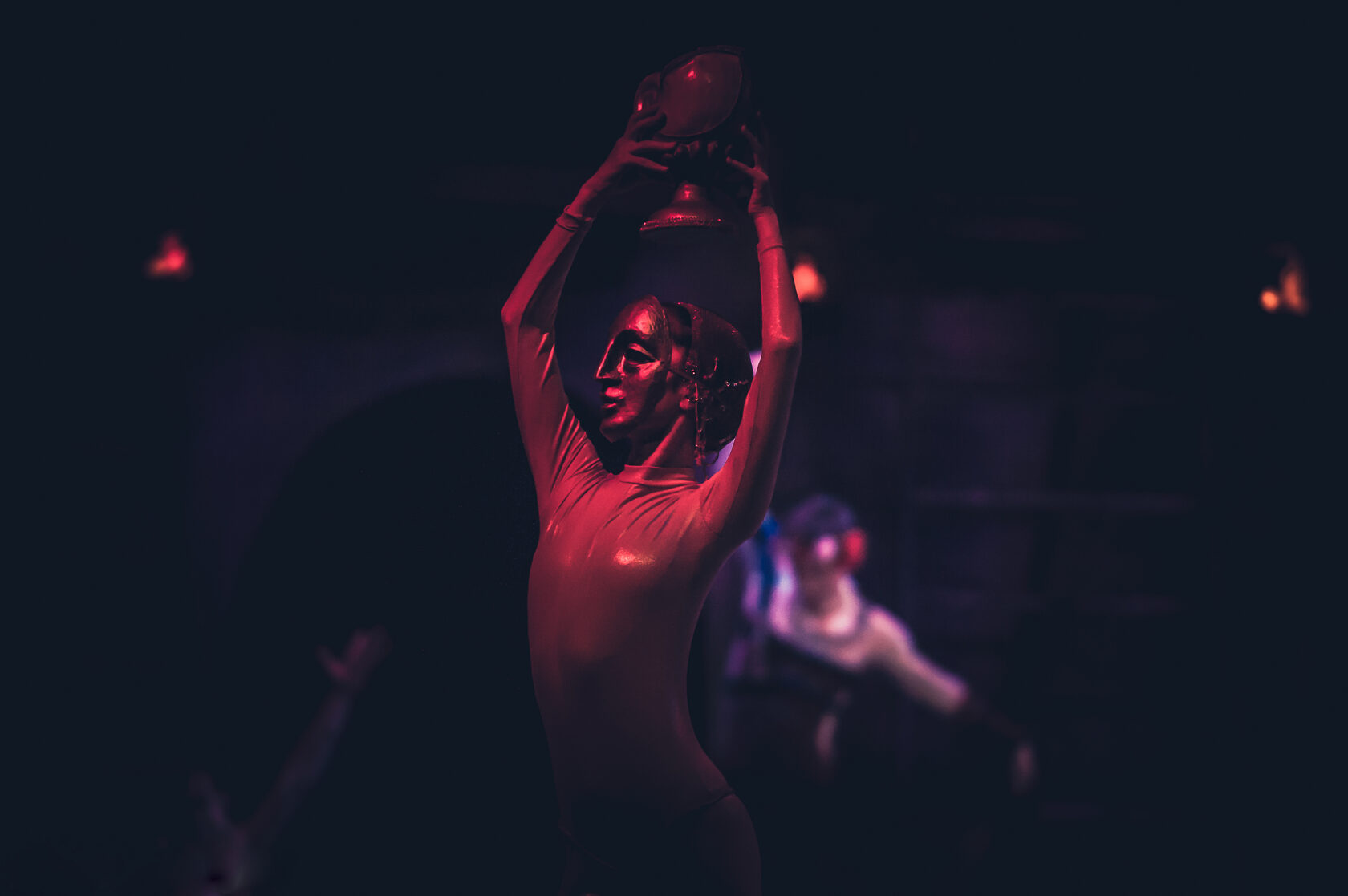
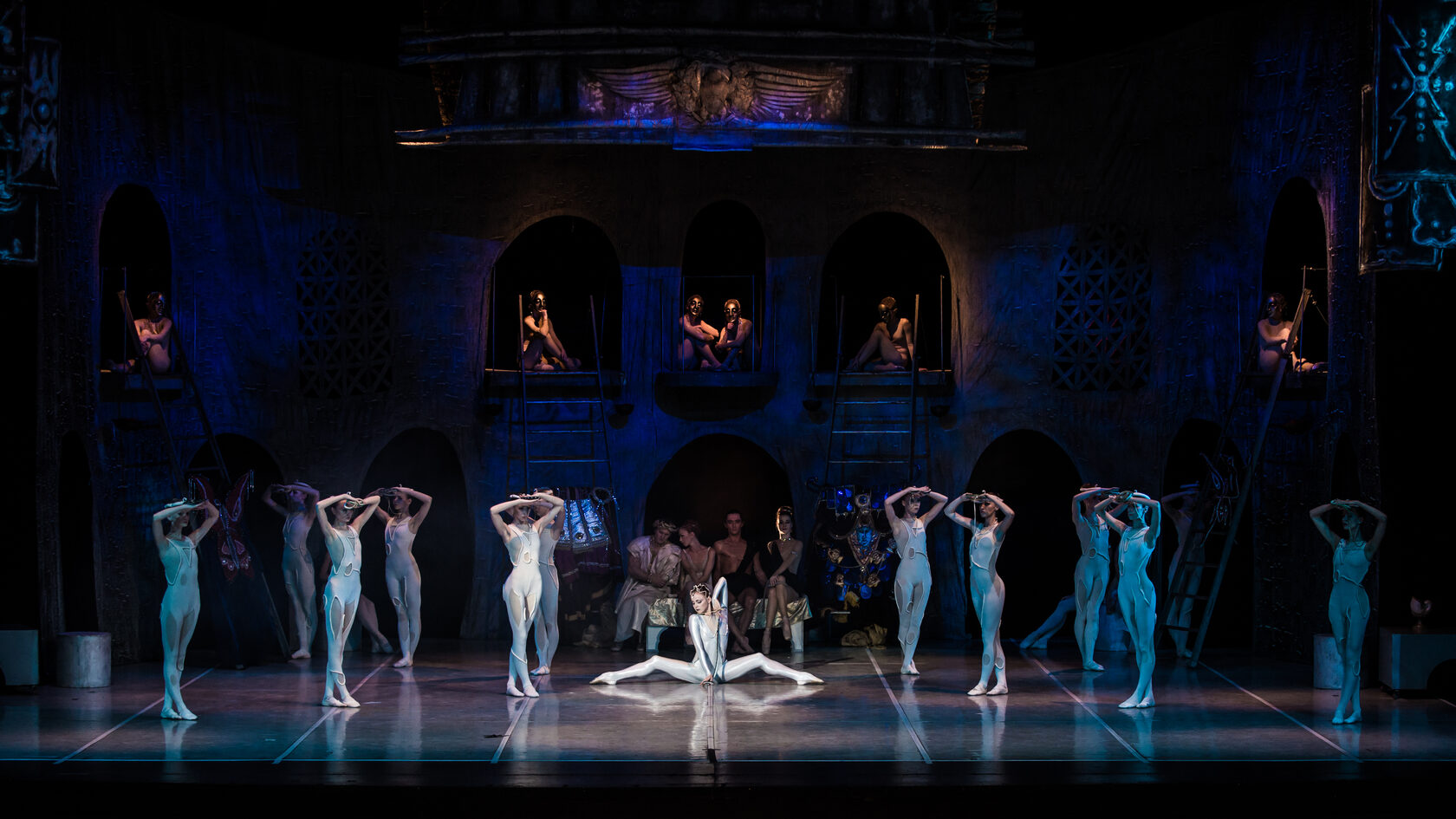
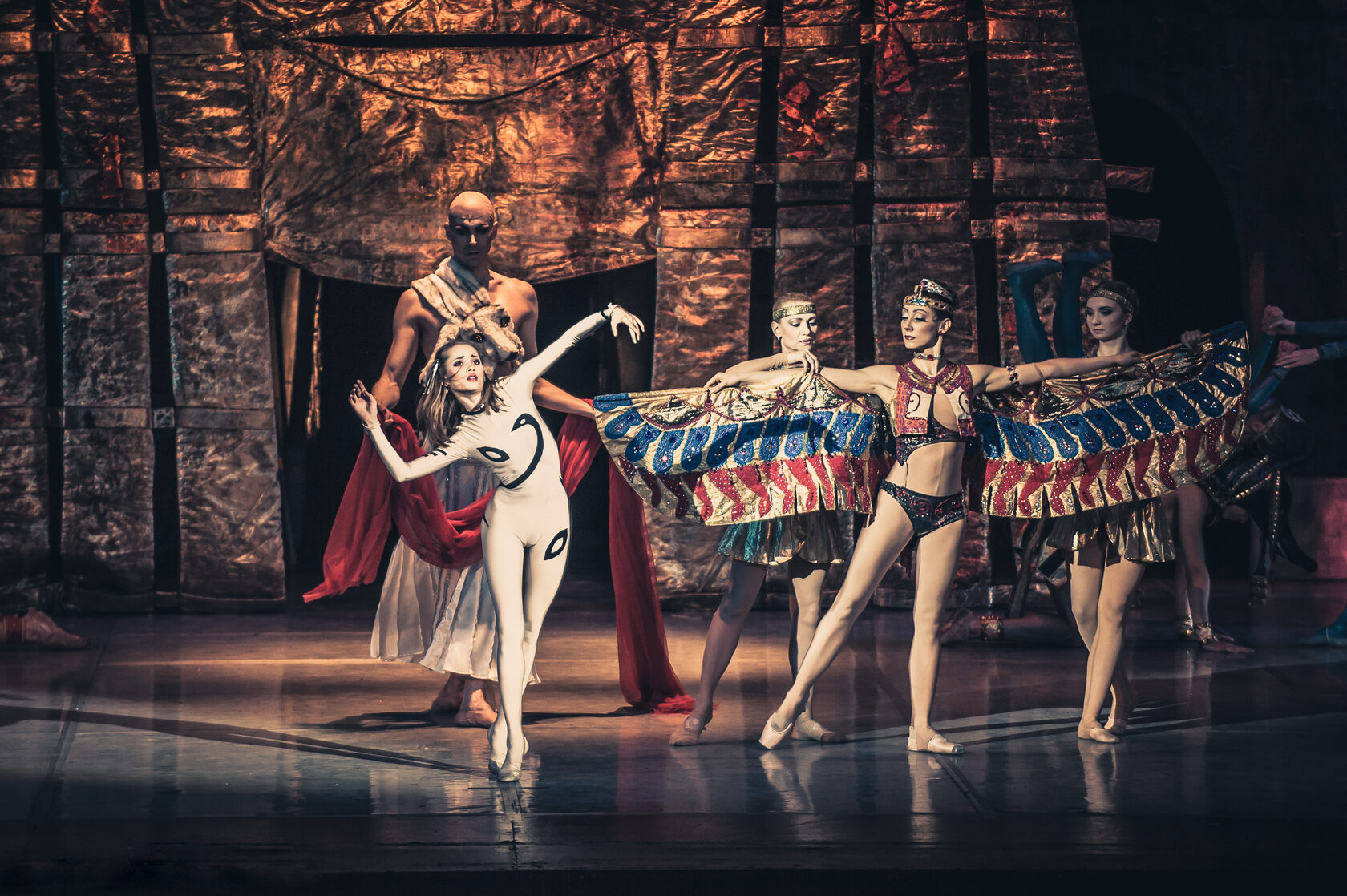
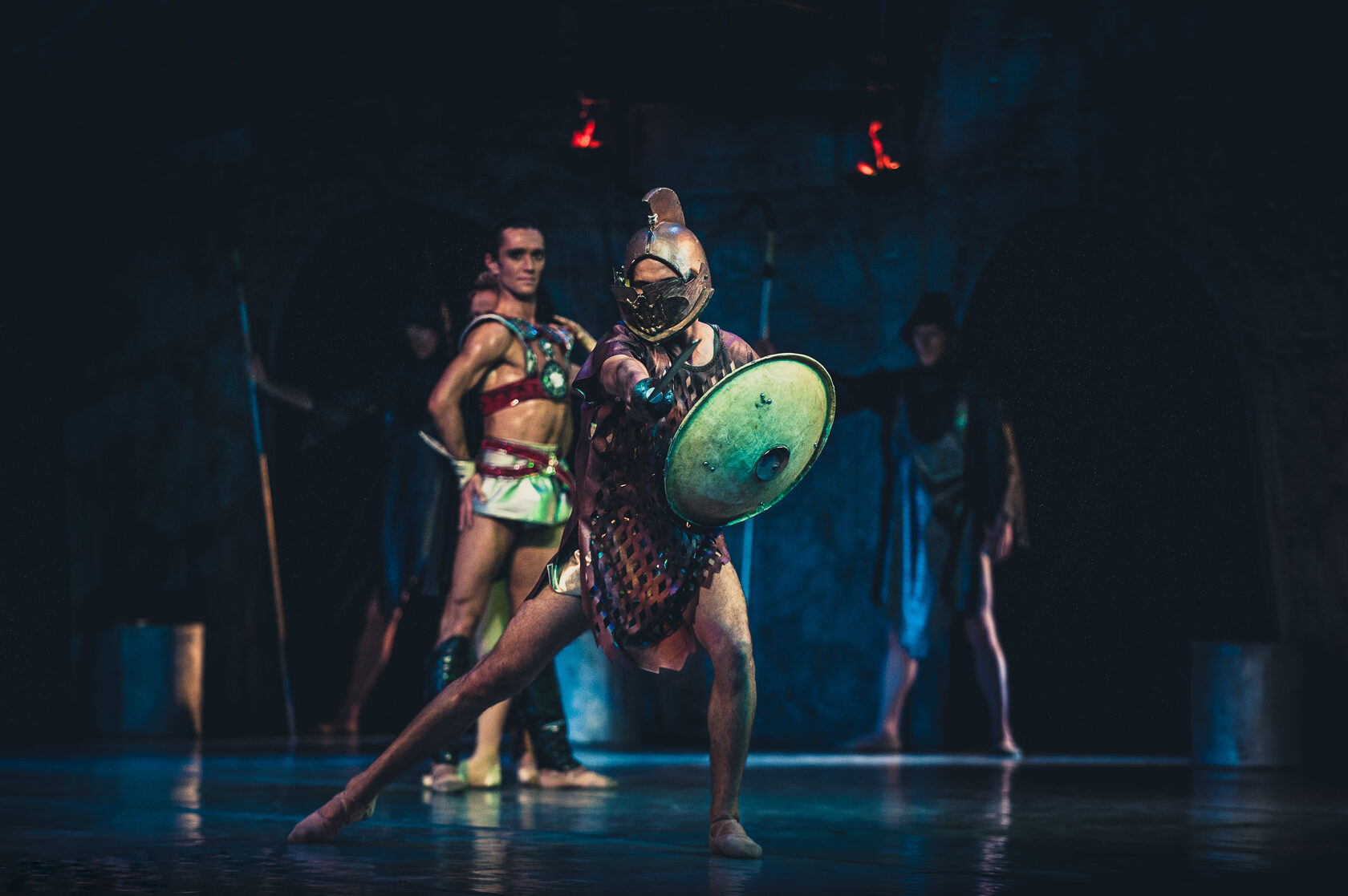
The performance has 1 intermission Running time: 2 hours Bolshoi Theatre buildings are closed and not available for any visit during the month in July-September 2026 (exact dates will be announced later). This summer, while the historic Bolshoi Theatre building is closed for its annual break, a special ballet festival takes place just next door — a celebration of classical dance featuring outstanding performers trained at Russia’s finest ballet academies. Among the cast are dancers from the Bolshoi Theatre itself, bringing with them the same world-class technique, artistry, and emotional depth that have made the Bolshoi a symbol of ballet excellence around the globe. “Spartacus” by Natalia Kasatkina and Vladimir Vasiliev: Rare Music, Eroticism, and True Roman Combat The Theater of Classical Ballet of Natalia Kasatkina and Vladimir Vasiliev presents their version of Aram Khachaturian’s ballet Spartacus on the Ramt stage. This is a production that every true ballet lover must see. Here’s why. Music Plot (spoiler alert!) Choreography A delight for historians and lovers of historical reconstructions: Kasatkina and Vasiliev integrated real Roman combat techniques into the choreography, taught to the dancers by the renowned film stunt coordinator Alexander Malyshev. Finally, Spartacus delights ballet enthusiasts with the largest number of soloists in a production. There are six in total, each with their own character, complex steps, and unique colors, making the ballet a spectacular visual and emotional experience. | |||||