
Boris Asafiev "The Fountain Of Bakhchisarai" (ballet in two acts)
Ticket resale service. Prices may be higher or lower than face value.
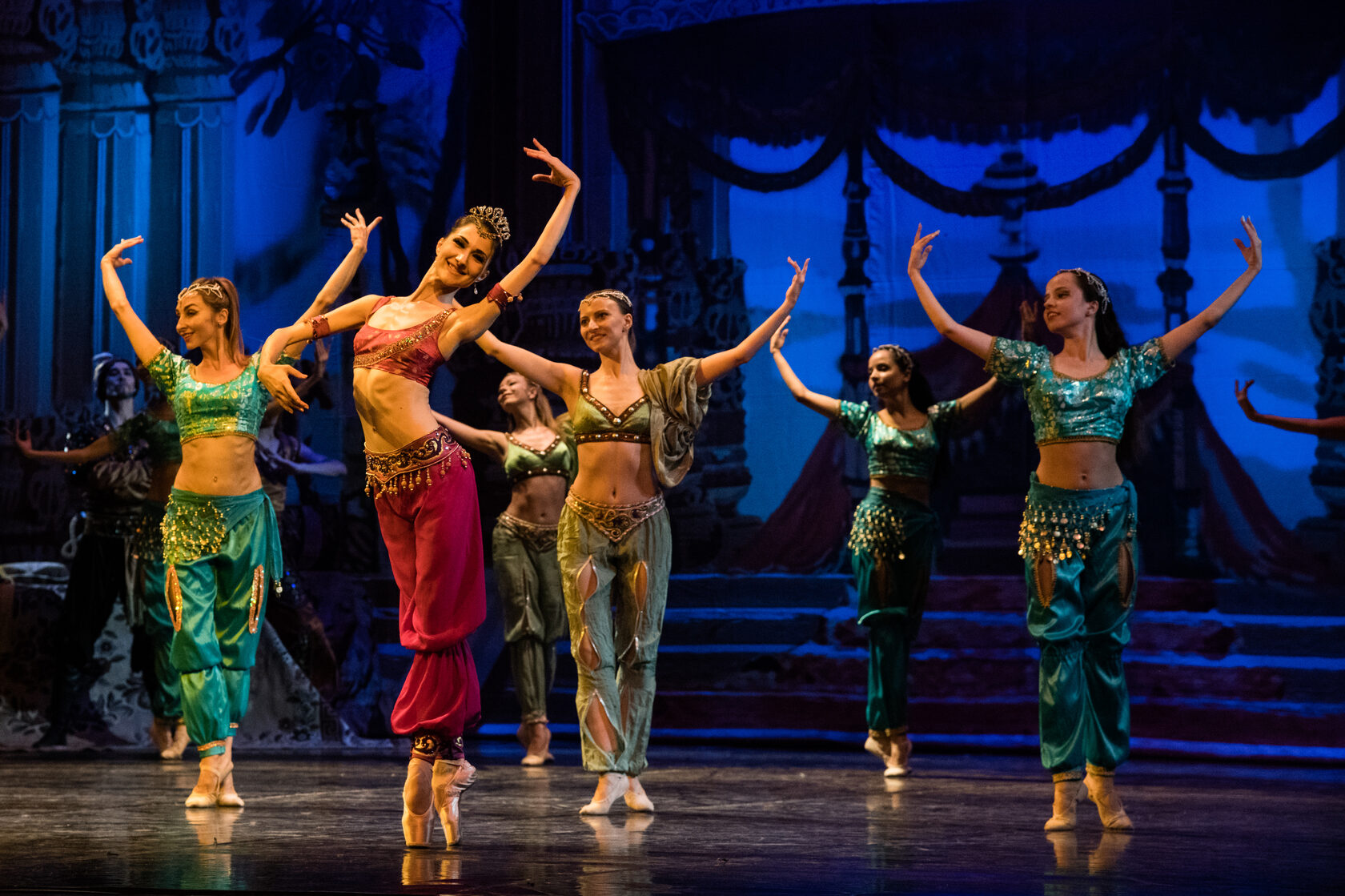
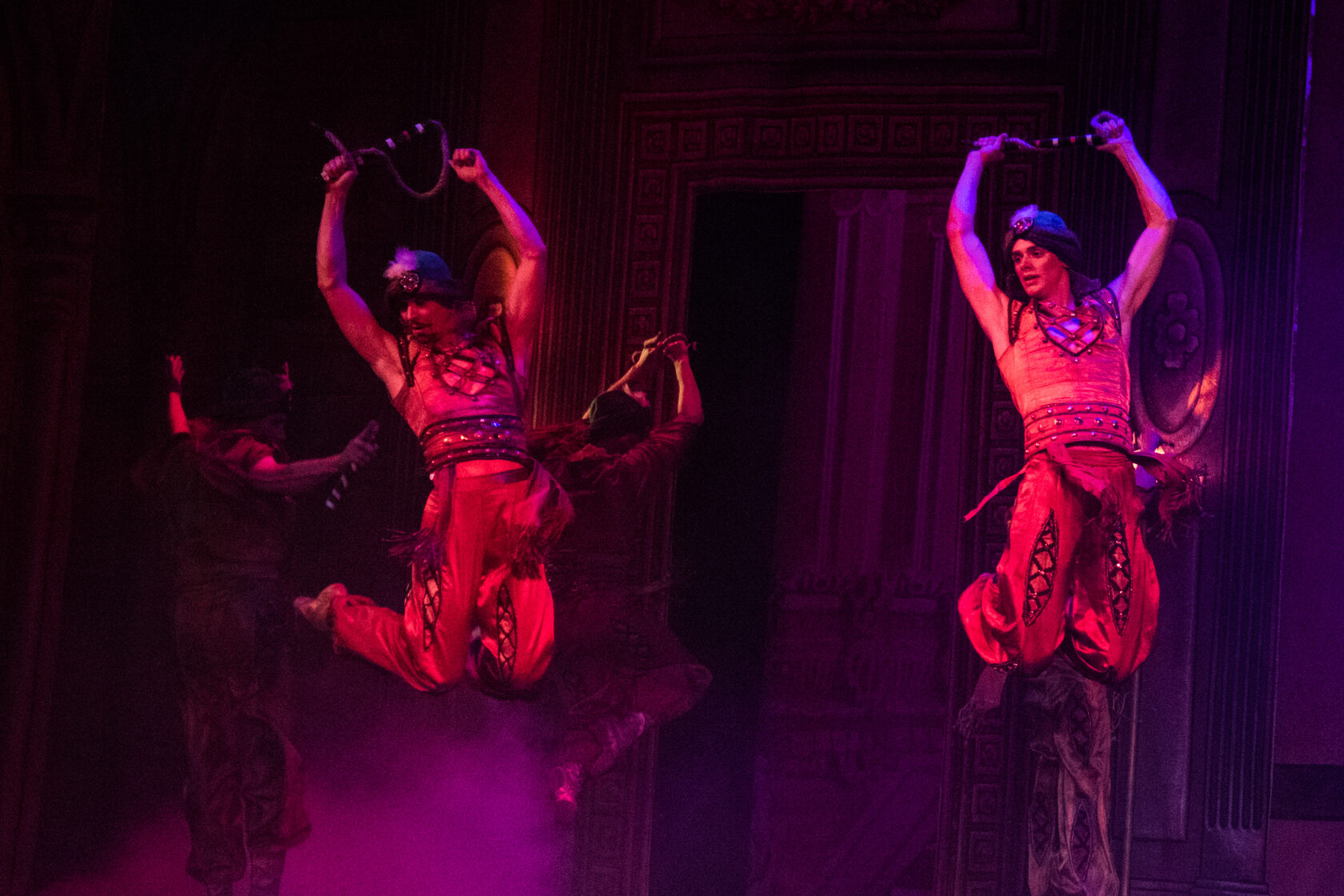
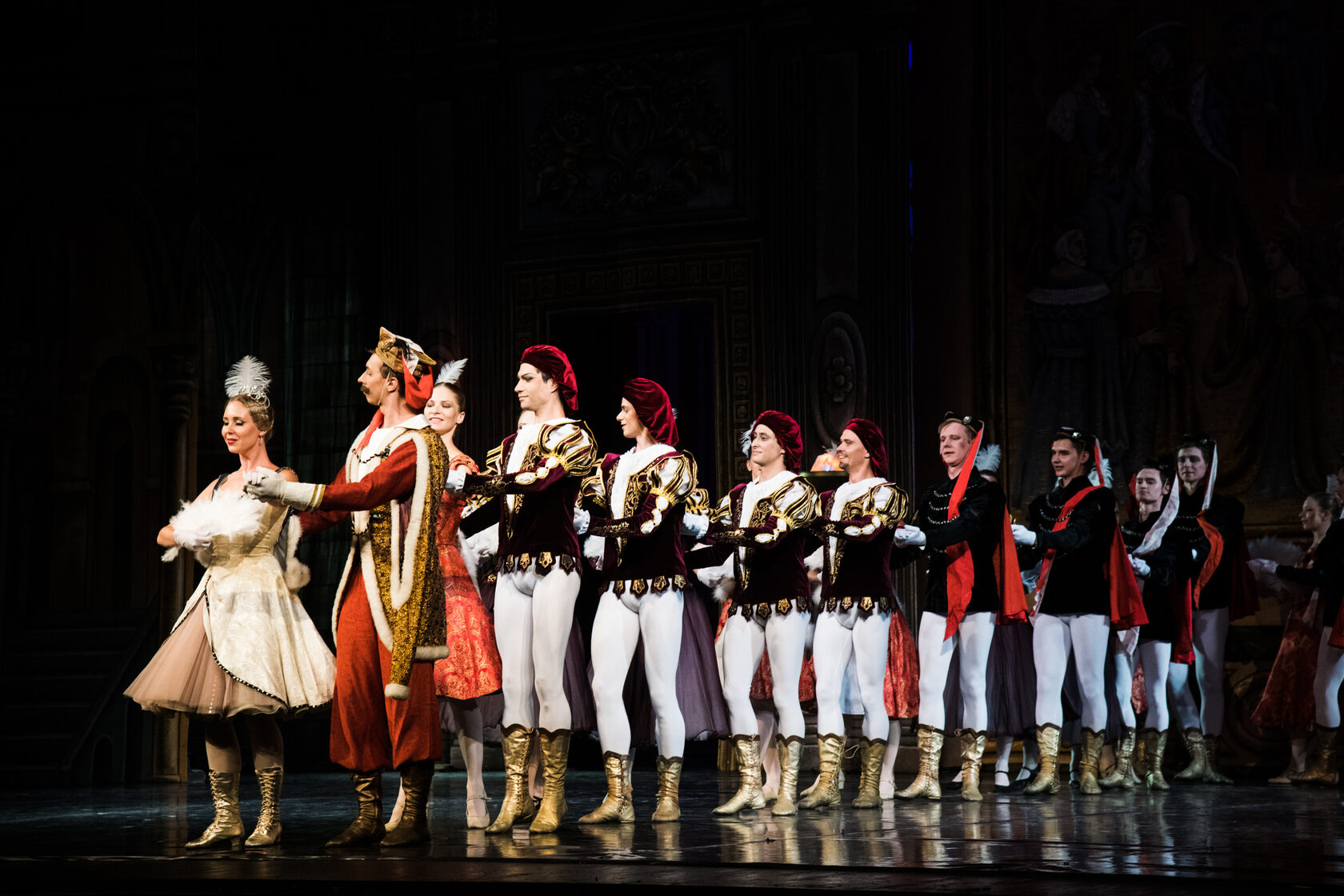
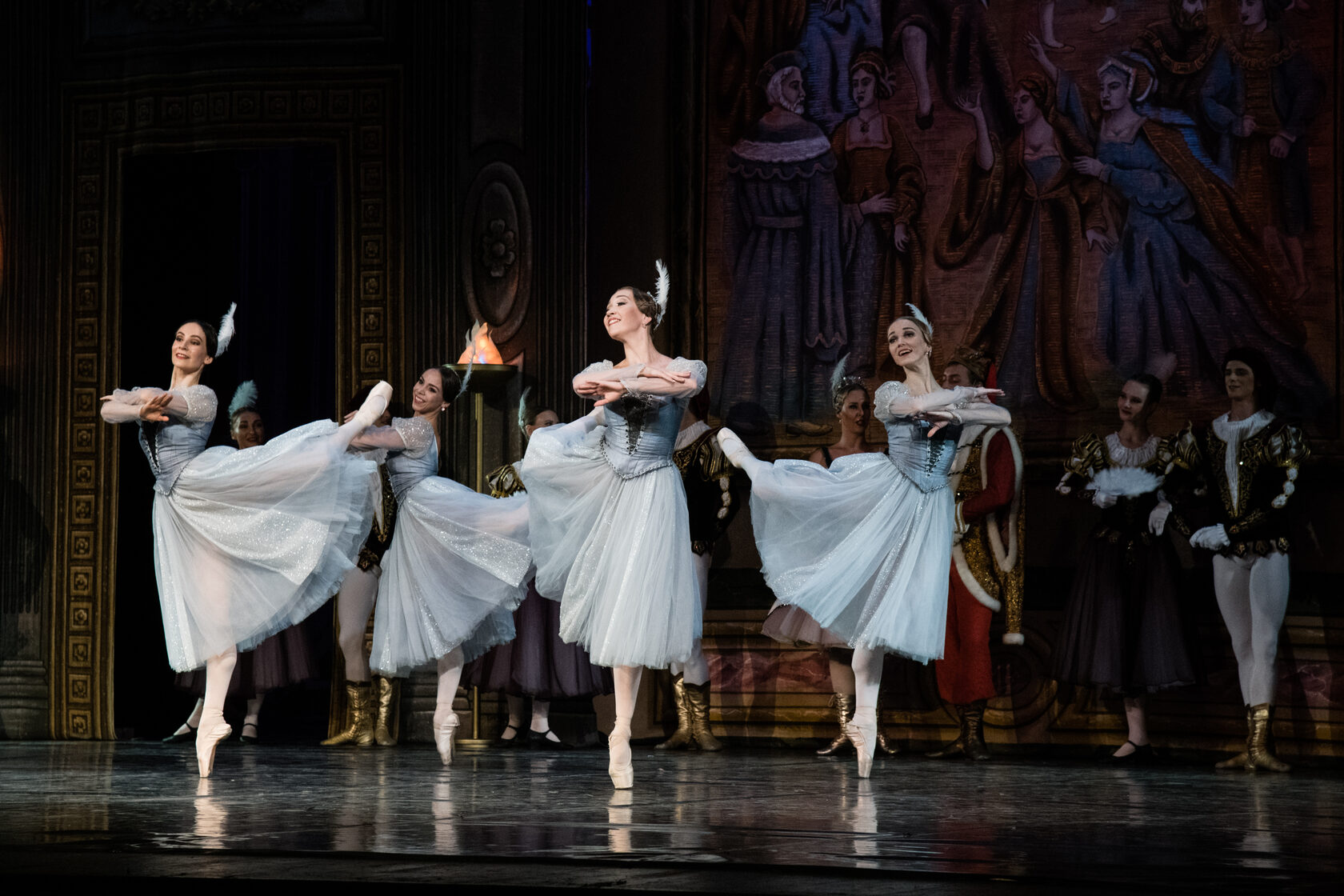
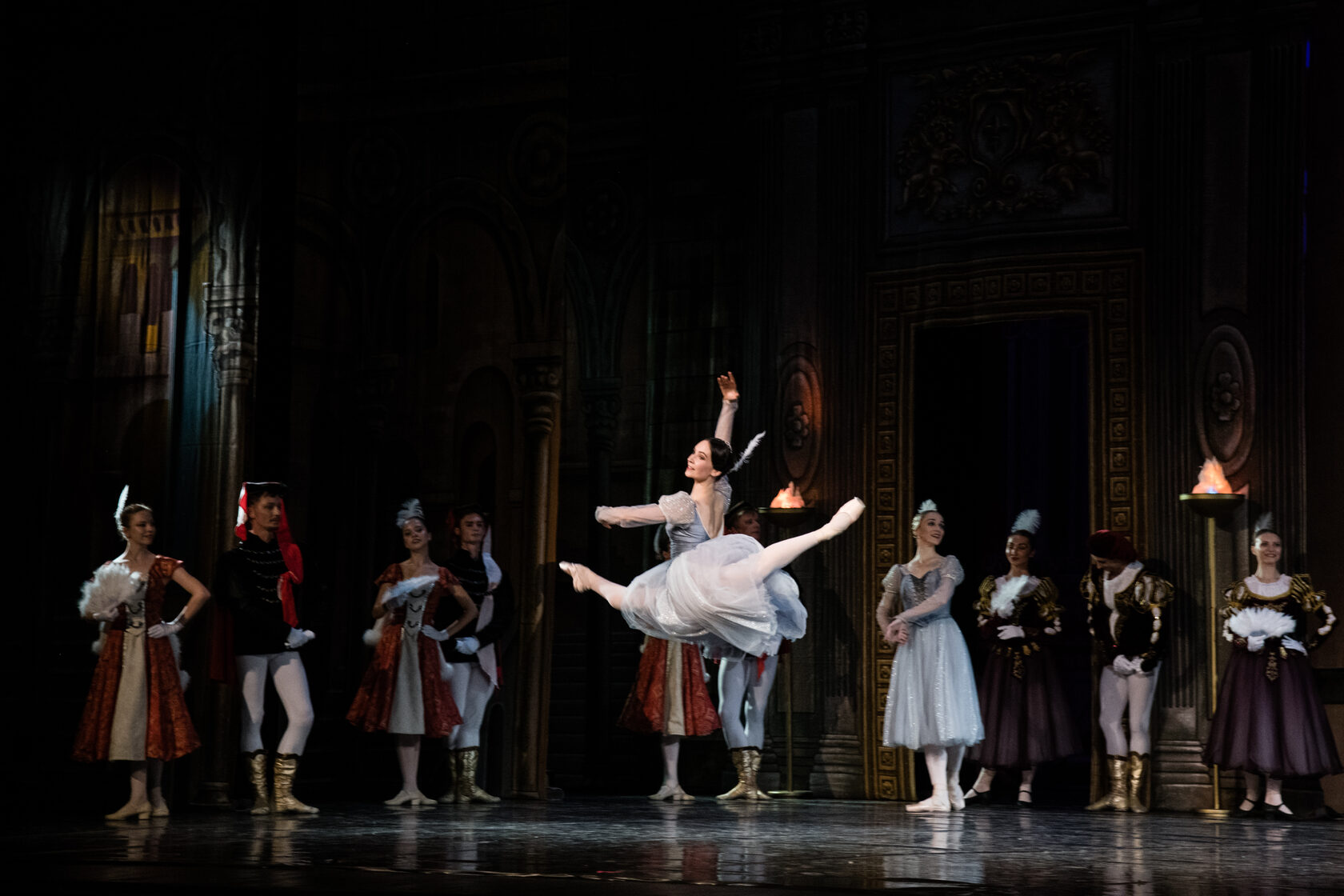
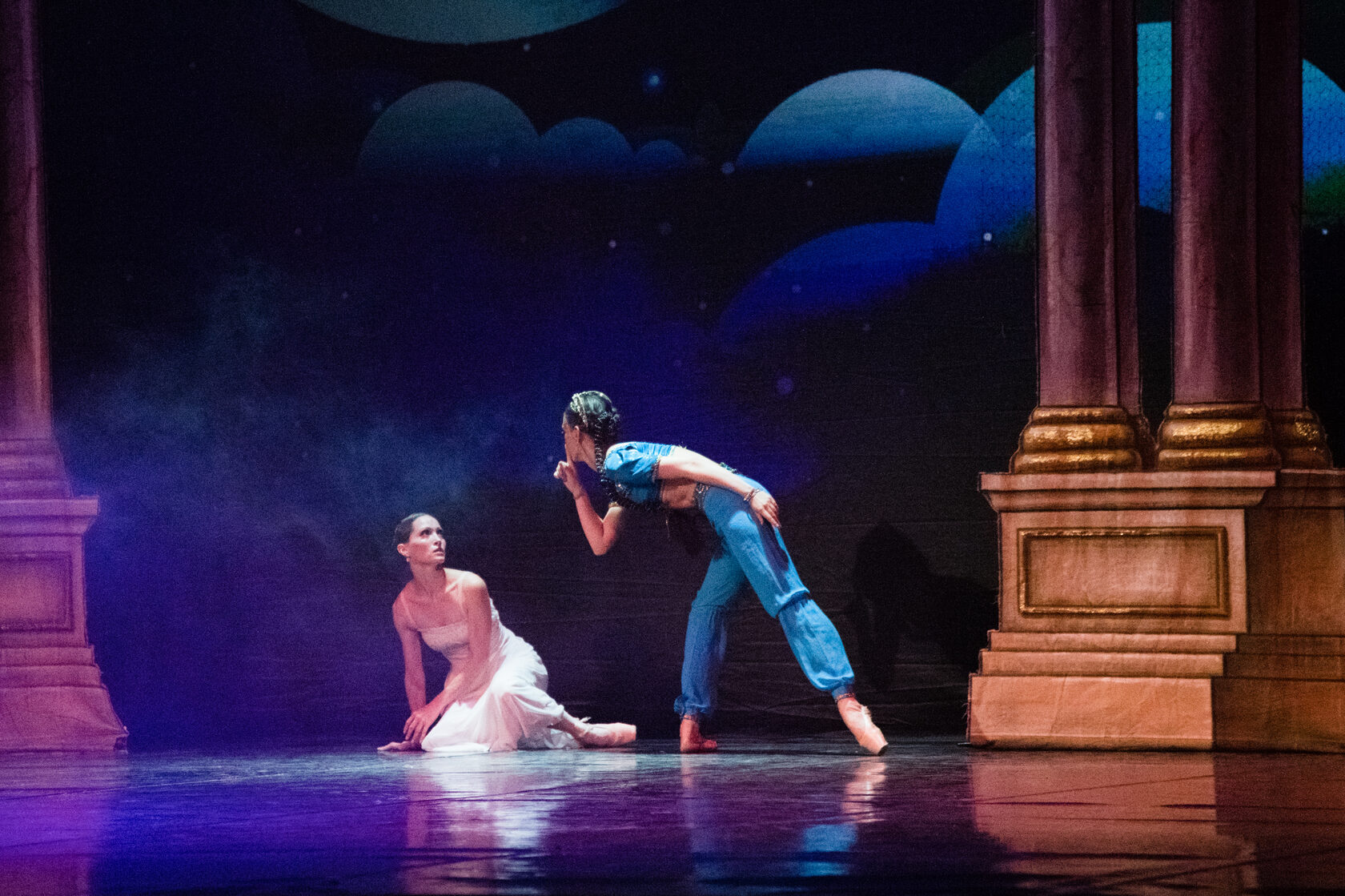
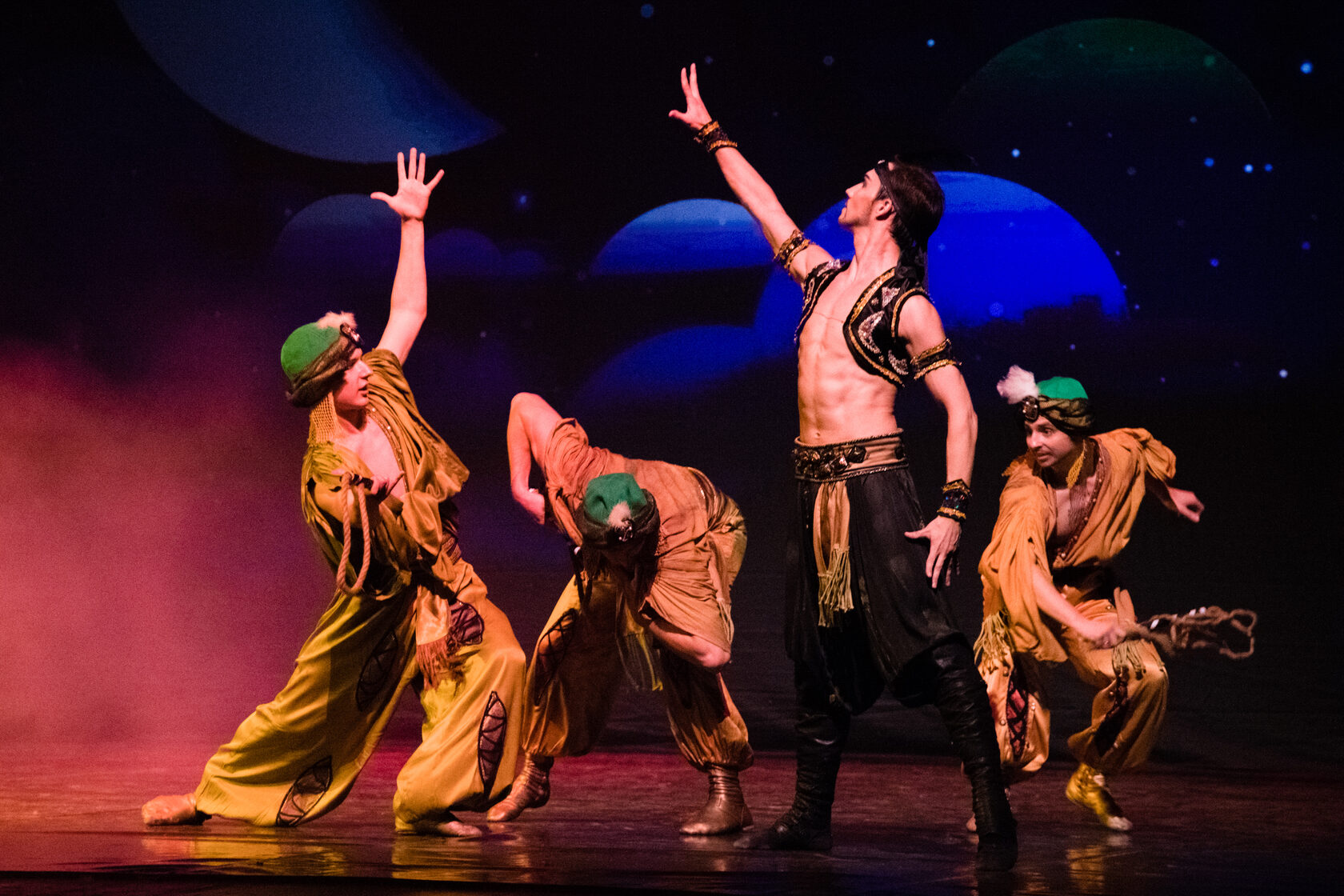
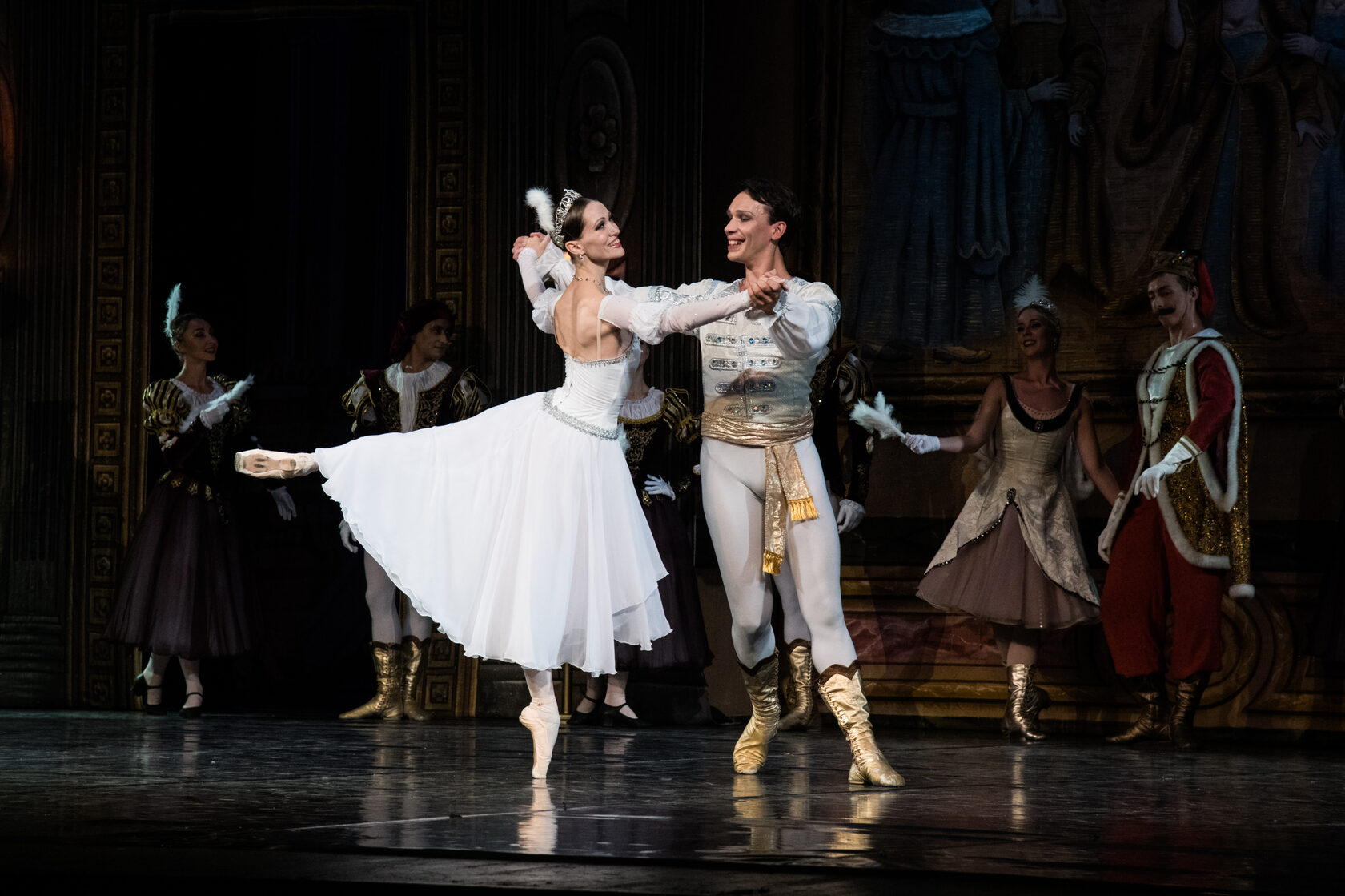
Running time: 2 hours "Bolshoi Theatre buildings are closed and not available for any visit during the month in July-September 2026 (exact dates will be announced later). This summer, as the historic Bolshoi Theatre closes for its seasonal break, the Summer Ballet Festival offers a rare opportunity to experience this iconic ballet in a special setting. With outstanding dancers — including artists from the Bolshoi Theatre — the performance brings new emotional depth to a timeless tale. An ancient legend of tragic love, inspired by the poetry of Alexander Pushkin. The Fountain of Bakhchisarai is a dramatic ballet-poem, a vivid story of passion, loss, and the clash of cultures — between the refined grace of Europe and the fiery intensity of the East. Based on Pushkin’s famous narrative poem, the ballet draws from the legend of the real-life “Fountain of Tears” in the Crimean palace of the Tatar khans. It was here, the story goes, that Khan Girey built a fountain in memory of his beloved concubine, whose death broke his heart. Moved by this tale, Pushkin penned his lyrical poem “The Fountain of Love, the Fountain Alive” and the epic The Fountain of Bakhchisarai in 1821. Premiered in 1937 at the Mariinsky Theatre, the ballet became a landmark of a new Soviet genre — the choreodrama. Librettist Nikolai Volkov and composer Boris Asafiev transformed classical ballet into a medium of deep emotional expression. Every movement became a word, every variation — a monologue. The result was a work of intense theatrical power, where love, jealousy, and fate are expressed not just through music and dance, but through soul and character. The story follows Khan Girey, torn between the fierce loyalty of his beloved wife Zarema and his unrequited love for Maria, a captured Polish princess. In the original production, the role of Maria was performed by the legendary Galina Ulanova — her portrayal became iconic in the history of Russian ballet. Since its premiere, The Fountain of Bakhchisarai has remained a treasured part of the classical repertoire, performed around the world. Its evocative score, emotional choreography, and rich storytelling continue to captivate new generations of audiences and dancers. A story of love that could not be — told through the poetry of movement, the fire of the East, and the soul of Russian ballet. | |||||